
In today’s fast-paced job market, staying ahead requires more than just experience. The importance of skill enhancement has never been greater, as industries evolve and new technologies emerge at breakneck speed.
At JBI Consulting, we’ve seen firsthand how professionals who actively develop their abilities outpace their peers in career growth and job satisfaction.
This post explores why upgrading your skillset is essential and offers practical strategies to boost your professional development.
How Is the Modern Workplace Evolving?
Technology Redefines Job Roles
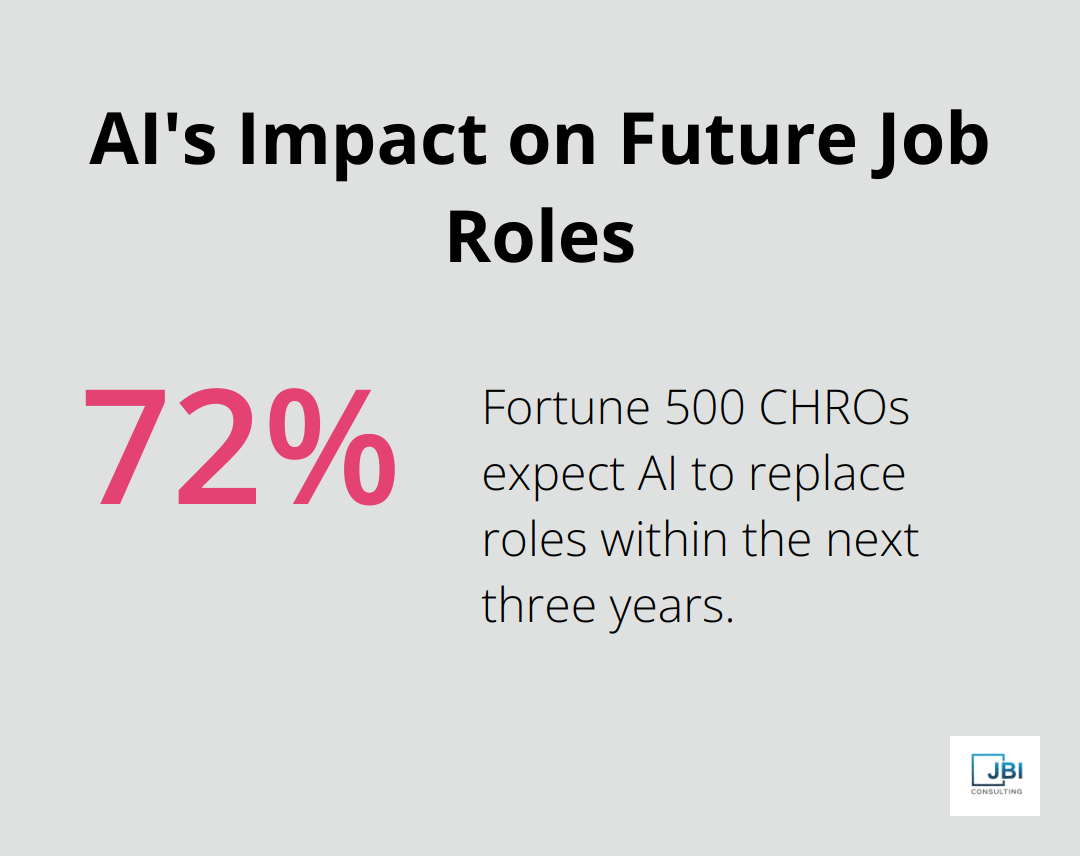
The workplace undergoes a seismic shift, reshaping how we work, what skills are in demand, and how careers progress. AI and automation are no longer futuristic concepts – they’re here, changing jobs across industries. A 2023 McKinsey report reveals that 72% of Fortune 500 CHROs expect AI to replace roles within the next three years. This doesn’t mean widespread job losses, but a shift in required skills. For example, data analysis skills become essential in fields like marketing and HR, not just in IT.
Remote Work Becomes the New Normal
The pandemic accelerated the shift to remote work, and it’s not going away. A 2023 Gallup poll found that 53% of employees expect to work in a hybrid model long-term. This shift demands new skills like virtual collaboration, self-management, and digital literacy. Sales professionals who excel in virtual pitching often outperform their peers significantly.
The Gig Economy Expands
Freelancing and contract work are on the rise. The Freelance Forward 2023 report by Upwork shows that 39% of the U.S. workforce did some freelance work in the past year. This trend requires professionals to become adept at personal branding, networking, and managing multiple projects simultaneously.
Soft Skills Take Center Stage
While technical skills matter, soft skills become the true differentiators. A LinkedIn survey revealed that 92% of talent professionals say soft skills are equally or more important than hard skills when hiring. Skills like adaptability, emotional intelligence, and creative problem-solving are now top priorities for employers.
Continuous Learning Becomes Essential
The half-life of skills shrinks rapidly. According to the Future of Jobs Report 2025, over 1,000 leading global employers, collectively representing more than 14 million workers, emphasize the importance of continuous learning. This shift underscores the importance of identifying and developing in-demand skills through adaptability and continuous learning. Many companies (including JBI Consulting) emphasize the importance of a growth mindset in their training programs, as it’s crucial for long-term success in today’s dynamic market.
As the workplace continues to evolve at an unprecedented rate, professionals must adapt to these changes. The next section will explore the key skills that are becoming increasingly important for career growth in this new landscape.
What Skills Drive Career Growth Today?
Technical Proficiency: The Foundation of Success
Technical skills specific to your industry form the bedrock of professional success. Whether entering a new field or upskilling in an existing one, aligning training with market needs increases job security, earning potential, and long-term career prospects. Data analysis, for instance, has become indispensable across various sectors. To maintain a competitive edge, professionals must update their technical toolkit regularly. Marketers might learn Python for data analysis, while HR professionals could master HR analytics tools.
Soft Skills: The Career Accelerators
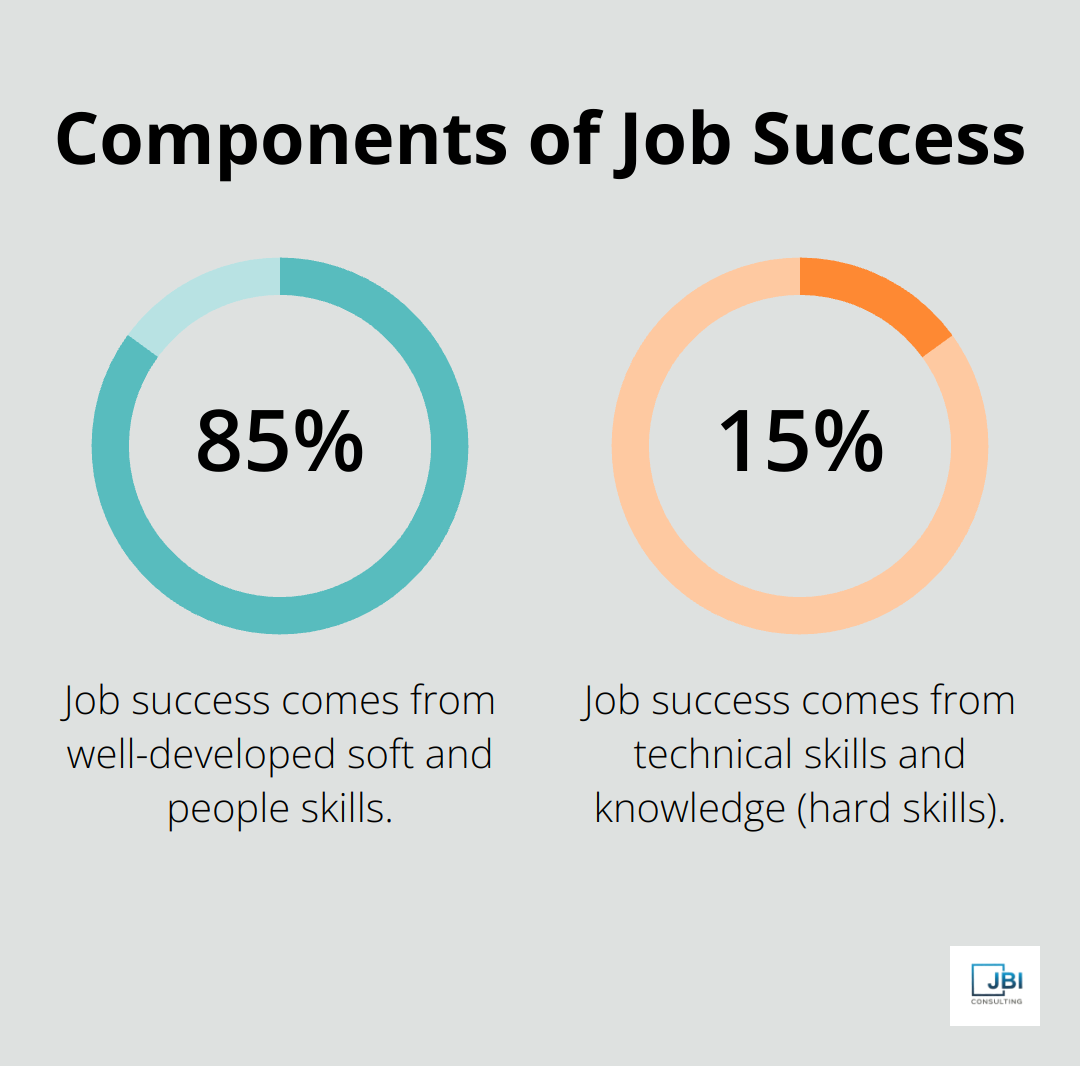
Technical skills open doors, but soft skills propel careers forward. 85% of job success comes from having well‐developed soft and people skills, and only 15% of job success comes from technical skills and knowledge (hard skills). Employers increasingly value communication, leadership, and emotional intelligence. Professionals who excel in these areas often advance more quickly in their careers.
Adaptability: The New Career Currency
In a world of constant change, adaptability has become invaluable. This fact underscores the importance of a growth mindset and continuous learning. Professionals who actively seek new challenges and learning opportunities often find themselves at the forefront of innovation in their fields.
Cultivating Essential Skills
To develop these skills effectively, professionals can:
- Take online courses in their industry’s latest technologies
- Participate in leadership workshops
- Seek out cross-functional projects at work
These strategies help professionals stay ahead in an ever-changing workplace. (They also demonstrate initiative and a commitment to growth, qualities highly valued by employers.)
The Role of Specialized Training
While self-directed learning is valuable, specialized training programs can accelerate skill development. For instance, sales professionals looking to enhance their abilities might consider programs like those offered by JBI Consulting. Such targeted training can provide a structured approach to skill enhancement, often yielding faster results than self-study alone.
As we explore the importance of these skills, it becomes clear that acquiring them is only part of the equation. The next section will delve into effective strategies for enhancing these skills and applying them in real-world scenarios.
How Can You Enhance Your Skills Effectively?
Enhancing your skills effectively requires a strategic approach. Here are five key strategies to help you develop and apply new skills in your professional life:

Conduct a Thorough Skill Audit
Start with an assessment of your current skill set. Try these free online career assessments that help you learn about occupations that might be a fit, jobs that match your skills, and investigate careers. This process helps you identify gaps between your current skills and those needed for your desired career path.
Next, ask for feedback from colleagues, mentors, and supervisors. Their insights often reveal blind spots in your self-assessment. (A marketing professional might discover they need to improve their data analysis skills to advance in their role.)
Leverage Online Learning Platforms
After you identify skill gaps, use online learning platforms to bridge them. Platforms like Coursera, edX, and LinkedIn Learning offer courses in everything from technical skills to soft skills. If you’re in sales and want to improve your negotiation skills, you might take a course on successful negotiation strategies.
Many of these platforms offer certificates upon completion, which you can add to your resume or LinkedIn profile. This tangible proof of your new skills can make you more attractive to employers.
Embrace Mentorship and Networking
Mentorship accelerates skill development through personalized guidance and insights. Find mentors within your organization or industry. Professional associations often have mentorship programs you can join.
Networking proves equally important. Attend industry conferences, join professional groups on LinkedIn, and participate in local meetups. These connections provide learning opportunities and can lead to new career prospects.
Apply Skills in Real-World Scenarios
Learning new skills marks only the first step. Application of these skills in real-world scenarios cements your knowledge and demonstrates your capabilities to employers. Volunteer for projects at work that allow you to use your new skills. If such opportunities don’t exist, consider freelance work or personal projects.
For instance, if you’ve learned project management skills, offer to lead a community event or manage a project for a non-profit organization. This practical experience proves invaluable and can set you apart in job interviews.
Seek Specialized Training Programs
While self-directed learning has value, specialized training programs can accelerate skill development. Sales professionals looking to enhance their abilities might consider programs like those offered by JBI Consulting. (Such targeted training can provide a structured approach to skill enhancement, often yielding faster results than self-study alone.)
Final Thoughts
The importance of skill enhancement in today’s job market cannot be overstated. The modern workplace demands a diverse set of abilities, from technical proficiency to soft skills like adaptability and communication. Active pursuit of skill development positions professionals for long-term success and career growth.
Continuous learning yields numerous benefits beyond staying current in your field. It increases confidence, job satisfaction, and opens doors to new opportunities. Those who commit to ongoing skill enhancement often find themselves more resilient to industry changes and better equipped to tackle new challenges.
We encourage you to start your personal development plan now. JBI Consulting’s transformative program offers a structured approach to skill development for sales professionals. This program helps shift from passive lead nurturing to proactive opportunity hunting (a crucial skill in today’s competitive market).