
The automotive industry is on the brink of a revolution. At JBI Consulting, we’ve analyzed the latest data to bring you insights into car sales trends for 2025.
From electric vehicles to autonomous driving, the way we buy, own, and use cars is set to change dramatically. Get ready for a future where technology and sustainability drive the automotive market forward.
Will EVs Dominate Car Sales in 2025?
EV Market Share Projections
Electric vehicles (EVs) will revolutionize the automotive industry in 2025. The latest market trends and technological advancements paint a clear picture of what to expect.
S&P Global Mobility projects that battery electric vehicle (BEV) sales will constitute over 9% of total car sales in July 2025, up from a year-to-date average of 7.3% through May 2025. This significant increase demonstrates the growing consumer interest in electric vehicles.

However, the anticipated expiration of federal EV incentives on September 30, 2025, might create challenges for long-term BEV growth in the U.S. market. This could lead to a surge in EV purchases just before the deadline, followed by a potential decline in Q4 2025.
Battery Technology Breakthroughs
Advancements in battery technology drive the EV revolution. New lithium-ion batteries push the boundaries of range and charging speed. Some manufacturers now offer EVs with ranges exceeding 400 miles on a single charge, addressing one of the primary concerns of potential EV buyers.
Fast-charging capabilities have also improved dramatically. Modern EVs can add 150 to 200 miles in 15 to 20 minutes using fast chargers and apps that help plan routes and monitor charger availability.
Charging Infrastructure Expansion
The growth of charging infrastructure keeps pace with the rise in EV adoption. According to the U.S. Department of Energy, the number of public EV charging stations has increased by 30% since 2024, with a total of over 150,000 charging locations across the country.
Many businesses also install charging stations in their parking lots, providing additional convenience for EV owners. This expansion of charging infrastructure is crucial in alleviating range anxiety and making EVs a practical choice for more consumers.
Adapting Sales Strategies
The rapid growth of the EV market requires car dealerships and manufacturers to adapt their sales strategies. Sales teams should focus on educating potential buyers about the benefits of EVs, including lower operating costs and environmental impact. Additionally, salespeople should become well-versed in the latest EV technology and charging options to address customer concerns effectively.
As the automotive landscape shifts towards electrification, the next big question arises: How will connected and autonomous vehicles shape the future of driving?
How Connected Cars Will Transform Driving
5G Integration Revolutionizes Car Connectivity
The automotive industry stands on the brink of a major transformation with the rise of connected and autonomous vehicles. This shift will reshape how we interact with our cars and the very nature of transportation itself.
5G and V2X technology will revolutionize the automotive industry. This high-speed, low-latency network will enable real-time communication between vehicles, infrastructure, and pedestrians, which will significantly enhance safety and traffic management.
For car buyers, this means access to advanced features like over-the-air software updates, real-time navigation with traffic updates, and enhanced in-car entertainment systems. Dealerships should prepare to educate customers on these new features and their benefits.
Self-Driving Technology Advances Rapidly
While fully autonomous vehicles aren’t yet commonplace, self-driving capabilities have progressed significantly. The Society of Automotive Engineers (SAE) defines six levels of driving automation, from 0 (fully manual) to 5 (fully autonomous). As of 2025, most new high-end vehicles offer Level 2 or 3 automation, which includes features like adaptive cruise control, lane-keeping assistance, and automated parking.
Tesla (a leader in this field) has already logged over 35 billion miles in its Autopilot mode as of early 2025. This massive amount of real-world data proves crucial for improving self-driving algorithms and moving towards higher levels of autonomy.

New Ownership Models Emerge
The advent of connected and autonomous vehicles spurs new car ownership models. Subscription-based services gain traction, allowing consumers to switch between different vehicle types based on their needs. Globally, the car subscription market is forecast to expand from $3.55 billion in 2020 to $12.1 billion by 2027, reflecting an annual growth rate of 23.12%.
Ride-sharing services also evolve. Uber has announced plans to introduce a fleet of autonomous vehicles in select cities by the end of 2025, potentially reducing the cost of rides by up to 30%.
These changes present both challenges and opportunities for traditional dealerships. We recommend that dealerships explore partnerships with subscription services and develop their own flexible ownership programs to stay competitive in this evolving landscape.
The Impact on Consumer Behavior
The rise of connected and autonomous vehicles will significantly alter consumer preferences and buying behaviors. As cars become more technologically advanced, consumers will prioritize features like connectivity, autonomous capabilities, and software updates when making purchasing decisions.
This shift in consumer focus will require dealerships and salespeople to adapt their strategies. They will need to become experts not just in traditional automotive features, but also in the latest technological advancements. JBI Consulting’s sales training programs (led by industry expert Michael Hinkle) can help sales teams develop the skills needed to navigate this new landscape effectively.
As we look towards a future of connected and autonomous vehicles, it’s clear that the relationship between drivers and their cars is changing dramatically. But how will these technological advancements, combined with growing environmental concerns, impact broader consumer preferences in the automotive market?
What Do Car Buyers Really Want in 2025?
Flexibility Trumps Ownership
The traditional model of car ownership faces stiff competition from more flexible alternatives. Subscription-based car services attract consumers who want to switch between different vehicle types based on their changing needs.
This trend creates both challenges and opportunities for dealerships. To stay competitive, dealerships should explore partnerships with subscription service providers or develop in-house subscription programs. These services can attract younger consumers who value flexibility and variety over long-term commitment.
Eco-Friendly Options Take Center Stage
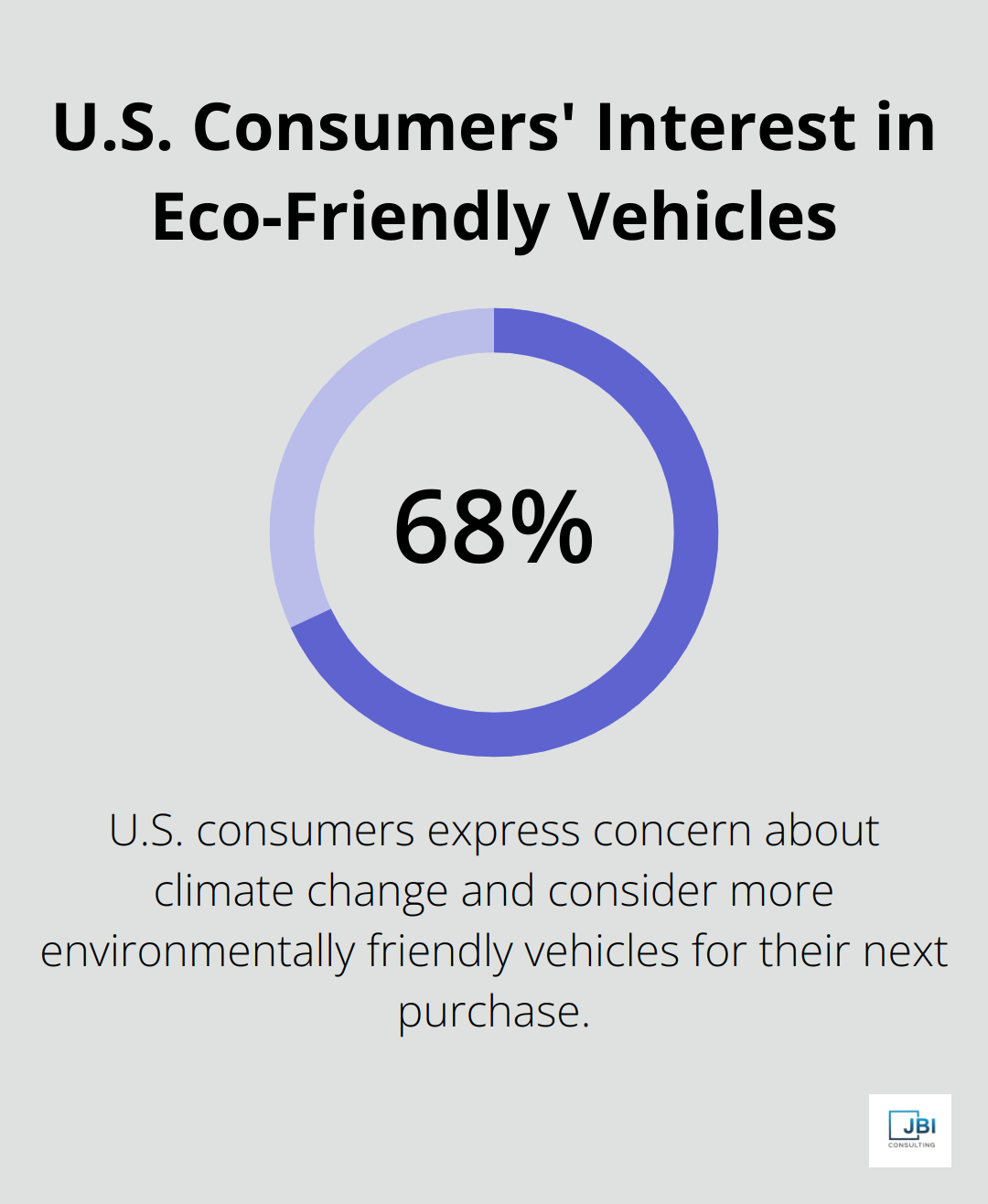
Environmental consciousness drives demand for eco-friendly vehicles. Consumers show interest in cars made with sustainable materials and manufacturing processes (beyond just electric vehicles). A Deloitte survey found that 68% of U.S. consumers express concern about climate change and consider more environmentally friendly vehicles for their next purchase.
Dealerships should stock a diverse range of eco-friendly options and train sales staff to effectively communicate the environmental benefits of these vehicles. The focus extends beyond selling electric cars; it involves understanding and conveying the entire lifecycle impact of a vehicle.
Redefining Luxury in the Automotive World
The concept of luxury in cars evolves. While high-end materials and powerful engines still have their place, many consumers now equate luxury with advanced technology, sustainability, and unique experiences.
To adapt to this shift, dealerships should showcase the technological features of vehicles, such as advanced driver-assistance systems, connectivity options, and personalization capabilities. Creating immersive, tech-focused showroom experiences can appeal to this new definition of luxury.
Prioritizing Safety and Health Features
In the wake of global health concerns, car buyers increasingly prioritize safety and health features. This includes advanced air filtration systems, antimicrobial surfaces, and touchless interfaces. A J.D. Power study indicates that 66% of consumers express interest in vehicles with enhanced health and wellness features.
Dealerships should highlight these safety and health features in their marketing and sales presentations. Training sales teams to effectively communicate the benefits of these features can give dealerships a competitive edge in this health-conscious market.
Embracing Digital Car-Buying Experiences
The car-buying process continues to shift towards digital platforms. Consumers expect seamless online experiences, from virtual test drives to digital paperwork. A Cox Automotive study found that 76% of car shoppers are open to completing the entire car-buying process online.
Dealerships must invest in robust digital infrastructure to meet these expectations. This includes user-friendly websites, virtual showrooms, and online financing options. Sales teams need training to effectively guide customers through this digital journey while maintaining a personal touch. To stay ahead in this evolving market, dealerships should implement innovative sales strategies that cater to these digital preferences and enhance overall performance.
Final Thoughts
The automotive industry will transform dramatically by 2025. Electric vehicles will capture a significant market share, while connected and autonomous cars will reshape how we interact with our vehicles. Consumer preferences will evolve, prioritizing flexibility, sustainability, and advanced technology in their car-buying decisions.
These car sales trends in 2025 will present challenges and opportunities for manufacturers and dealerships. They must adapt their offerings and strategies to meet changing demands, including investments in new technologies and flexible ownership models. Consumers will benefit from more options and enhanced driving experiences, but will need to navigate a more complex automotive landscape.
In this rapidly evolving market, expert guidance becomes invaluable. JBI Consulting’s transformative program offers insights and strategies to help sales teams thrive in the new automotive era. As we approach 2025, those who embrace these changes will position themselves for success in the exciting future of mobility.