
Most businesses struggle to connect with their ideal customers because they lack a focused marketing strategy target market approach. Without clear direction, marketing efforts scatter across multiple channels with minimal impact.
We at JBI Consulting have seen companies waste thousands of dollars on campaigns that miss their mark entirely. The solution lies in building a systematic framework that aligns your message with your audience’s specific needs and behaviors.
What Does Your Target Market Really Want
Market research forms the foundation of every successful marketing campaign, yet many small and medium businesses struggle with their marketing strategies according to sales data. The problem isn’t a lack of effort but rather superficial research that fails to uncover actionable insights. Start with your existing customer data through website analytics, point-of-sale systems, and social media platforms. Track visitor behavior patterns, purchase frequency, and engagement metrics to identify your most valuable customer segments. Survey current customers with activity, interest, and opinion questionnaires to build comprehensive psychographic profiles that go beyond basic demographics.
Mine Customer Intelligence From Multiple Sources
Website analytics reveal which pages generate the highest conversion rates and where potential customers drop off in your sales funnel. Point-of-sale data shows purchase patterns, seasonal trends, and average transaction values across different customer groups. Social media analytics provide sentiment analysis and engagement data that traditional surveys miss. Combine these data sources to create a complete picture of customer behavior. Interview your top 10 customers directly about their decision process, pain points, and what alternatives they considered before they chose your solution.
Turn Competitor Analysis Into Strategic Advantage
Study your competitors’ messages, price strategies, and customer reviews to identify market gaps your business can fill. Analyze their social media engagement rates, content performance, and advertising approaches through tools like SEMrush or Ahrefs. Look for consistent customer complaints in their reviews that your product or service addresses better. Understanding your competitors’ strengths and weaknesses helps you identify market gaps and refine your strategy. Focus on understanding why customers switch between competitors rather than just who your competitors target.
Build Personas That Drive Revenue
Effective buyer personas include specific details like preferred communication channels, purchase timeline, budget constraints, and decision criteria. Document the exact language your customers use to describe their problems and goals. Include behavioral triggers that indicate purchase readiness (such as specific website actions or content downloads). Update personas quarterly based on new customer interviews and sales team feedback. Personas without regular updates become outdated assumptions that mislead marketing efforts and waste advertising spend.
With solid customer intelligence and detailed personas in place, you can now focus on translating these insights into a strategic framework that guides every marketing decision.
How Do You Transform Strategy Into Action
Strategic marketing objectives must connect directly to measurable business outcomes, not vague aspirations like brand awareness or engagement. Set specific targets such as acquiring 150 new customers within six months, generating $250,000 in pipeline value, or achieving a 4.2% conversion rate from social media traffic. Track customer acquisition cost, lifetime value, and monthly recurring revenue as primary KPIs. Monitor conversion rates across each marketing channel weekly to identify which tactics generate the highest return on investment.
Match Channels to Customer Behavior Patterns
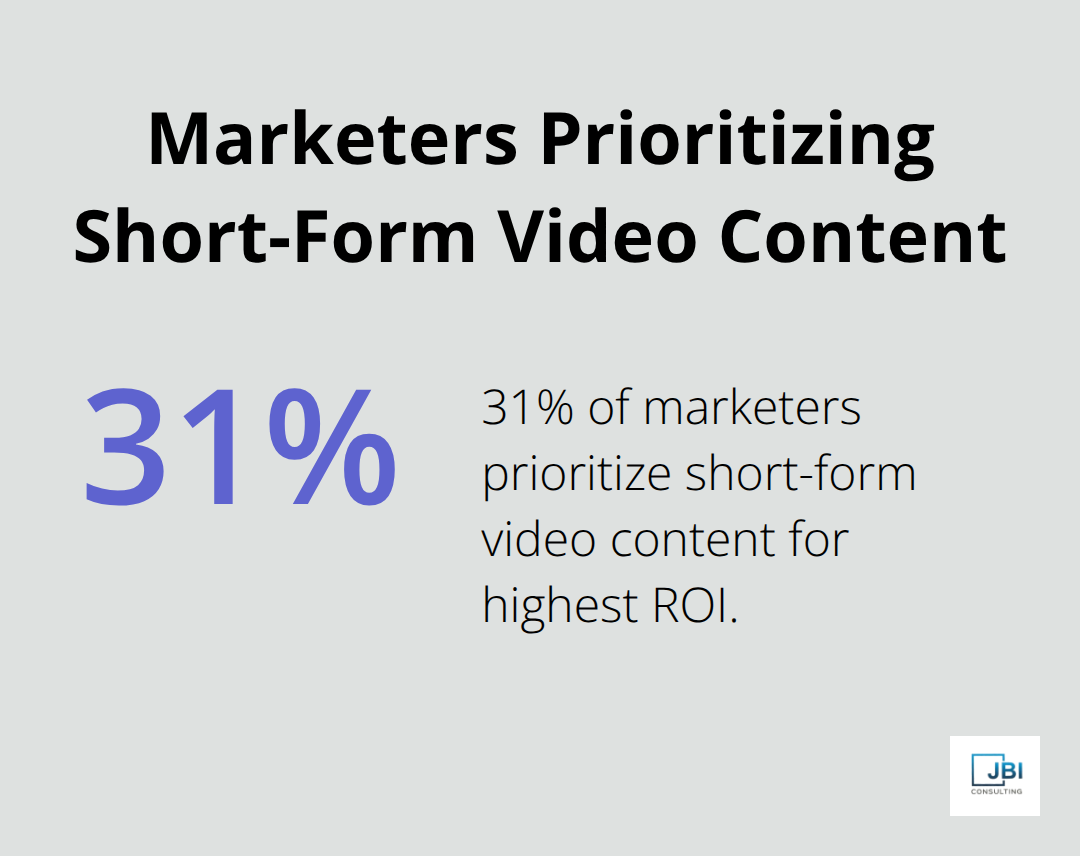
Your channel selection should mirror where your target customers spend their time and make purchase decisions, not where you prefer to market. B2B software buyers research solutions on LinkedIn and industry publications, while local service customers rely on Google searches and Facebook recommendations. Short-form video content generates the highest ROI among content formats according to 2025 marketing data (with 31% of marketers prioritizing this approach). Email marketing delivers strong returns for nurturing qualified leads, with 35% of marketing leaders receiving $10-$36 for every dollar spent. Test three channels maximum initially to avoid spreading resources too thin and measure performance for 90 days before expanding.
Allocate Budget Based on Performance Data
Marketing budgets should reflect actual channel performance rather than equal distribution across tactics. Successful companies invest 60-70% of their budget in proven channels and reserve 30-40% for testing new approaches. Track cost per acquisition for each channel monthly and shift spending toward the lowest-cost, highest-converting options. Digital advertising typically requires 3-6 months to optimize effectively, so maintain consistent spending during this period. Companies using customer relationship management systems report 87% marketing strategy effectiveness compared to 50% without CRM integration (making this technology investment essential for serious growth).

Execute Campaigns With Clear Communication
Implementation success depends on clear communication and coordination among team members to maintain alignment with project timelines. Create detailed campaign briefs that specify target audiences, key messages, and success metrics for each channel. Assign specific responsibilities to team members and establish weekly check-ins to track progress against objectives. Document campaign assets, approval processes, and launch schedules to prevent delays and miscommunication. Teams that follow structured implementation processes achieve 40% better campaign performance than those without clear protocols.
Once your campaigns launch across selected channels, the focus shifts to measuring performance and optimizing results based on real data.
How Do You Execute and Optimize Marketing Performance
Campaign execution demands systematic coordination across multiple channels with clear performance benchmarks established from day one. Launch campaigns in phases rather than simultaneously to isolate performance data and identify which channels drive the highest quality leads. Start with your top-performing channel based on historical data, then add secondary channels weekly while you monitor conversion rates, cost per acquisition, and customer lifetime value. Document every campaign detail, including audience segments, creative variations, and budget allocation to replicate successful approaches. Most campaigns require 30-45 days to generate sufficient data for meaningful optimization decisions.
Monitor Real-Time Performance Indicators
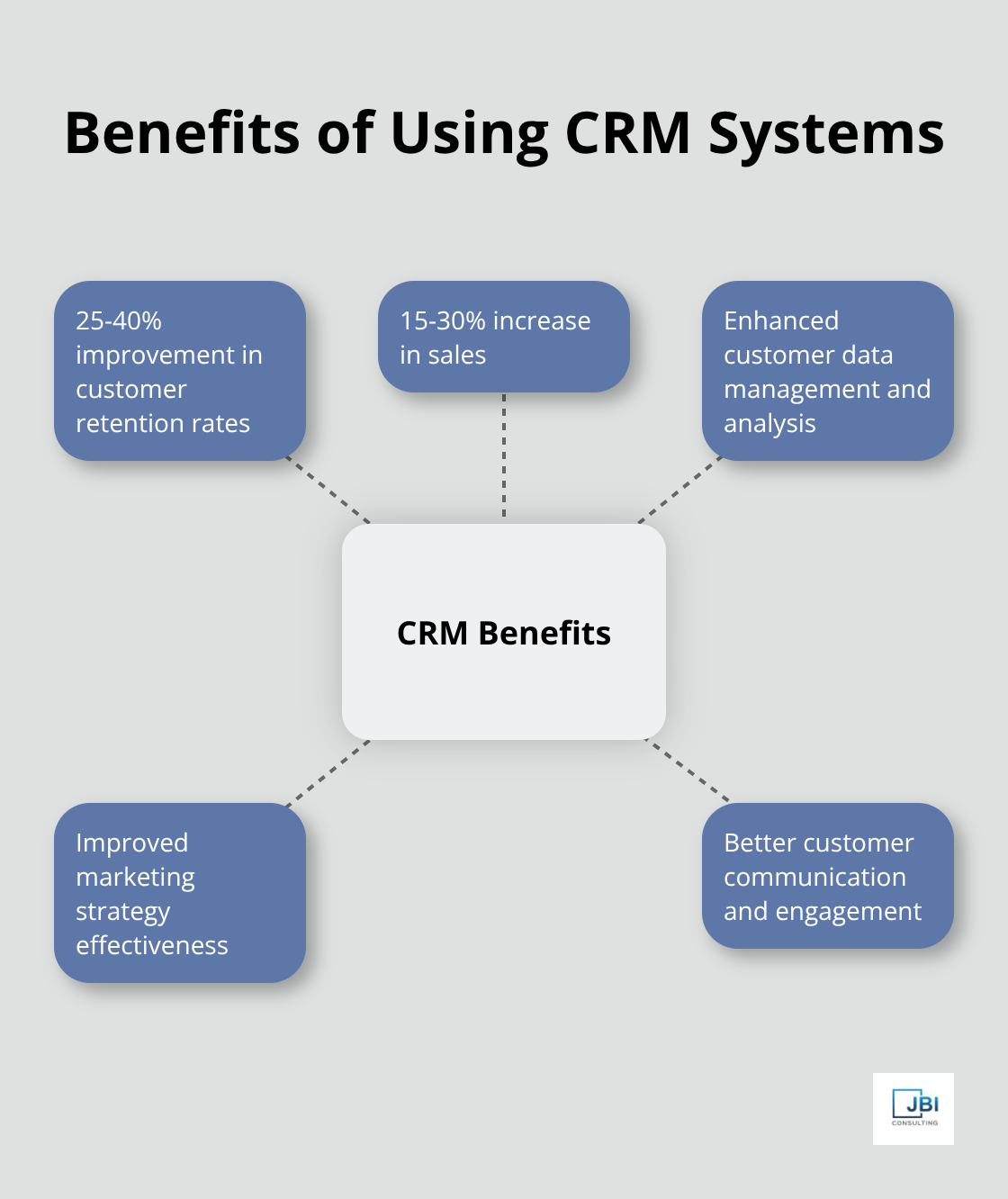
Track conversion rates, click-through rates, and cost per lead daily through dashboard tools like Google Analytics, Facebook Ads Manager, or HubSpot. Companies that use customer relationship management systems achieve 25-40% improvement in customer retention and 15-30% increase in sales, according to recent industry analysis. Set up automated alerts when key metrics fall below acceptable thresholds to catch problems early. Weekly performance reviews should focus on customer acquisition cost trends, pipeline velocity, and revenue attribution across channels. Monthly deep-dive analysis should examine customer behavior patterns, content performance, and competitive shifts that impact campaign effectiveness.
Optimize Based on Performance Data
Shift budget allocation toward channels that deliver the lowest customer acquisition costs and highest lifetime value within 60 days of launch. A/B test ad creative, email subject lines, and page elements continuously rather than make assumptions about audience preferences. Successful optimization requires you to change one variable at a time to isolate performance impacts accurately. Pause campaigns that underperform immediately rather than hope for improvement, then reallocate those resources to proven tactics. Companies that adjust strategies based on data achieve better performance outcomes according to research, which makes regular optimization essential for sustained growth.
Scale Successful Campaign Elements
Identify your highest-performing creative assets, audience segments, and channel combinations within the first 90 days of execution. Double down on these winning elements while you maintain testing budgets for new approaches. Expand successful campaigns to similar audience segments or geographic markets to maximize reach without sacrificing performance. Scale gradually to avoid overwhelming your fulfillment capacity or customer service teams with sudden demand spikes.
Final Thoughts
Successful marketing strategy target market development requires three fundamental elements: comprehensive customer research, data-driven channel selection, and systematic performance optimization. Companies that invest time in understanding their audience through multiple data sources achieve significantly better results than those who rely on assumptions. The most effective strategies combine detailed buyer personas with clear performance metrics that connect marketing activities directly to revenue outcomes.
Continuous testing and optimization separate winning campaigns from mediocre ones. Markets shift constantly, customer preferences evolve, and new competitors emerge regularly. Your marketing approach must adapt accordingly through regular performance reviews and strategic adjustments. Companies that optimize based on real data rather than gut feelings consistently outperform their competitors in customer acquisition and retention rates (with measurable improvements in both metrics).
Focus on implementing one channel at a time while you measure performance rigorously. Scale successful elements gradually and pause underperforming campaigns immediately. We at JBI Consulting help businesses transform their sales approach through a proven methodology that enhances client relationships and boosts deal closure rates. Start with your strongest channel, measure everything, and optimize relentlessly for sustained growth.