
At JBI Consulting, we know that a strong market positioning strategy is vital for business success. But what exactly is market positioning, and how can you define it for your company?
In this post, we’ll explore the market positioning strategy definition and provide practical steps to help you carve out your unique place in the market. We’ll also share tips on how to implement and maintain your positioning for long-term success.
What Is Market Positioning?
Defining Market Positioning
Market positioning represents how your brand is perceived in the minds of your target customers compared to your competitors. It’s about creating a unique space in the market that sets you apart. Effective positioning can significantly impact a business’s success.
The Power of Perception
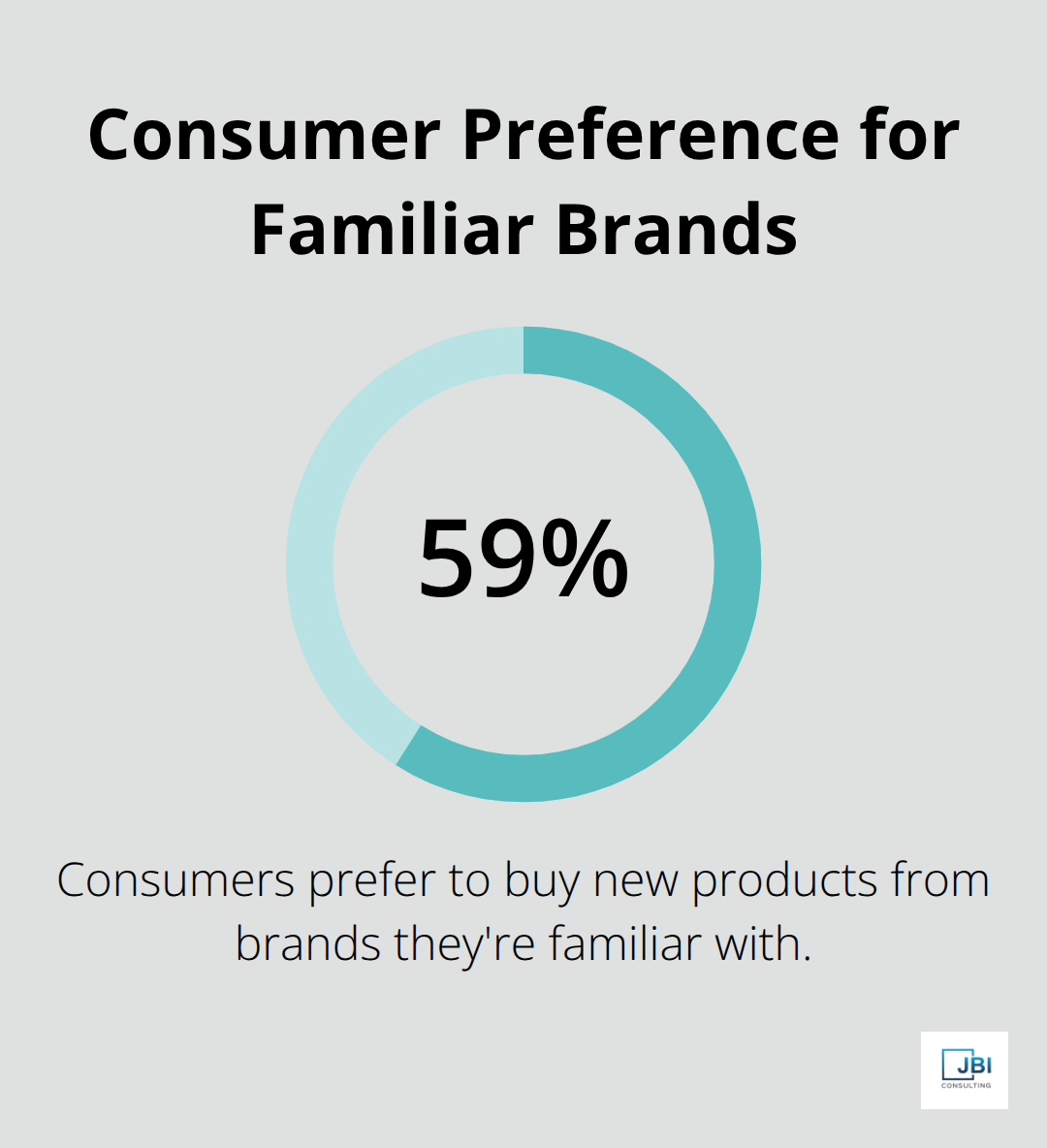
Your market position isn’t just what you say about your product or service-it’s what your customers believe about it. A study by Nielsen found that 59% of consumers prefer to buy new products from brands they’re familiar with. This statistic underscores the importance of establishing a clear, memorable position in your market.
The Significance of Positioning
In today’s crowded marketplace, standing out presents a significant challenge. Global retail media ad spending hit over $22 billion in 2024 and is expected to increase. A strong market position helps you cut through this noise and connect with your ideal customers.
Key Elements of Effective Positioning
- Relevance: Your position must address a real need or desire of your target audience.
- Differentiation: You need to stand out from competitors in a meaningful way.
- Credibility: Your claims must be believable and backed by evidence.
- Consistency: Your position should be reinforced across all touchpoints.
Measuring Your Position
To evaluate the effectiveness of your positioning, you should track metrics like brand awareness, market share, and customer loyalty. Word-of-mouth remains the most powerful sales channel, with 88% of people trusting recommendations from people they know.
Effective positioning isn’t a one-time effort. It requires ongoing analysis and adjustment as markets evolve and customer preferences change. In the next section, we’ll explore the practical steps you can take to define your unique market position.
How to Define Your Market Position
Assess Your Current Standing
Start by evaluating your current market position. Analyze your sales data, customer feedback, and market share. Use tools like Net Promoter Score (NPS) to measure customer loyalty. On average, an industry’s NPS leader outgrew its competitors by a factor greater than two times, according to Bain & Company research.
Know Your Audience Inside Out
Identify your target audience beyond basic demographics. Explore psychographics, behavior patterns, and pain points. Use surveys, interviews, and social media analytics to create comprehensive buyer personas. A recent study found that 71% of customers expect personalized experiences, with 76% expressing frustration when they don’t receive them.

Scope Out the Competition
Competitive analysis is essential. Examine both direct and indirect competitors. Analyze their marketing strategies, pricing, and unique selling propositions. Tools like SEMrush or Ahrefs (industry-standard SEO platforms) can provide insights into their online presence and keyword strategies. The goal is to identify underserved market segments and spot gaps in competitors’ offerings that you can fill.
Craft Your Unique Value Proposition
Your unique value proposition (UVP) should clearly explain why customers should choose you over competitors. Address a specific need and highlight your unique solution. This fact underscores the importance of backing your UVP with concrete evidence and customer testimonials.
Develop a Compelling Positioning Statement
Create a concise, clear, and memorable positioning statement. It should include your target market, the problem you solve, and how you differ from competitors. Avoid jargon and focus on benefits, not features. Test your statement with customers and refine it based on their feedback.
Defining your market position requires ongoing effort. Markets change, competitors evolve, and customer needs shift. We recommend conducting a positioning review at least annually to ensure alignment with market dynamics and customer expectations. In the next section, we’ll explore how to implement your newly defined positioning strategy effectively.
How to Put Your Positioning Strategy into Action
Align Your Marketing Efforts
Your marketing efforts should directly reflect your positioning strategy. Every piece of content, ad, and customer interaction must reinforce your unique value proposition. A McKinsey study revealed that only 27% of marketing leaders believed their firm had a “mature, fit-for-purpose” operating model.

Start with an audit of your current marketing materials. Do they align with your new positioning? If not, update them. Create a style guide that outlines how your positioning should appear in tone, imagery, and messaging across all channels.
Empower Your Sales Team
Your sales team communicates your position directly to potential customers. Equip them with the knowledge and tools to effectively convey your unique value.
Develop a comprehensive training program that covers the what and why of your positioning. Use role-playing exercises to help sales reps practice articulating your position in various scenarios.
Maintain Consistency Across Channels
In today’s omnichannel world, consistency is paramount. Your positioning should remain clear whether a customer encounters your brand on social media, your website, or in person.
Create a centralized repository of approved messaging and assets for all team members to access. This ensures everyone communicates the same message. Tools like Frontify or Brandfolder can help manage and distribute brand assets effectively.
Monitor and Adjust Your Strategy
Your positioning strategy isn’t permanent. Markets evolve, customer needs change, and competitors adjust their strategies. Regular monitoring and adjustment are essential.
Set up a system to track key metrics that indicate the effectiveness of your positioning. These might include brand awareness, market share, customer acquisition cost, and customer lifetime value. Use tools like Google Analytics and social media insights to gather data.
Conduct regular surveys to gauge customer perception. Do they see your brand as you intend? If not, identify what needs to change.
Adjusting your positioning doesn’t mean a complete overhaul every few months. Small, data-driven tweaks can keep your strategy fresh and relevant without losing consistency.
Developing sales strategies is crucial for boosting revenue, enhancing customer engagement, and achieving sustainable business growth. By consistently refining your approach, you can ensure your positioning strategy remains effective in a dynamic market environment.
Final Thoughts
A well-defined market positioning strategy definition forms the foundation of business success in today’s competitive landscape. It shapes customer perceptions and creates a unique market space that resonates with your target audience. We at JBI Consulting understand the importance of a strong market position and its impact on sustainable growth.
Effective implementation of your positioning strategy requires alignment across all business aspects. Your marketing efforts, sales team, and customer interactions must consistently reflect your unique value proposition. Regular monitoring and adjustment ensure your strategy remains relevant in an ever-changing market (a process we call “position refinement”).
Take action today to develop a strong market position and create lasting customer connections. Our transformative sales program can help you define your position, pursue new opportunities, and close more deals. Your business’s future success depends on the steps you take now to establish and maintain a distinctive market position.