
In today’s fast-paced business landscape, staying ahead of the competition is more challenging than ever. At JBI Consulting, we’ve seen firsthand how innovative competitive strategy can make or break a company’s success.
This blog post explores cutting-edge approaches to gain a competitive edge, from leveraging technology to fostering a culture of innovation. We’ll share practical insights to help you transform your business and outperform your rivals.
How Technology Drives Your Competitive Edge
In the digital age, technology is not just a tool; it’s a game-changer. Companies transform their market position by strategically leveraging tech innovations. Here’s how you can harness technology to outpace your competition:
Power of AI and Machine Learning
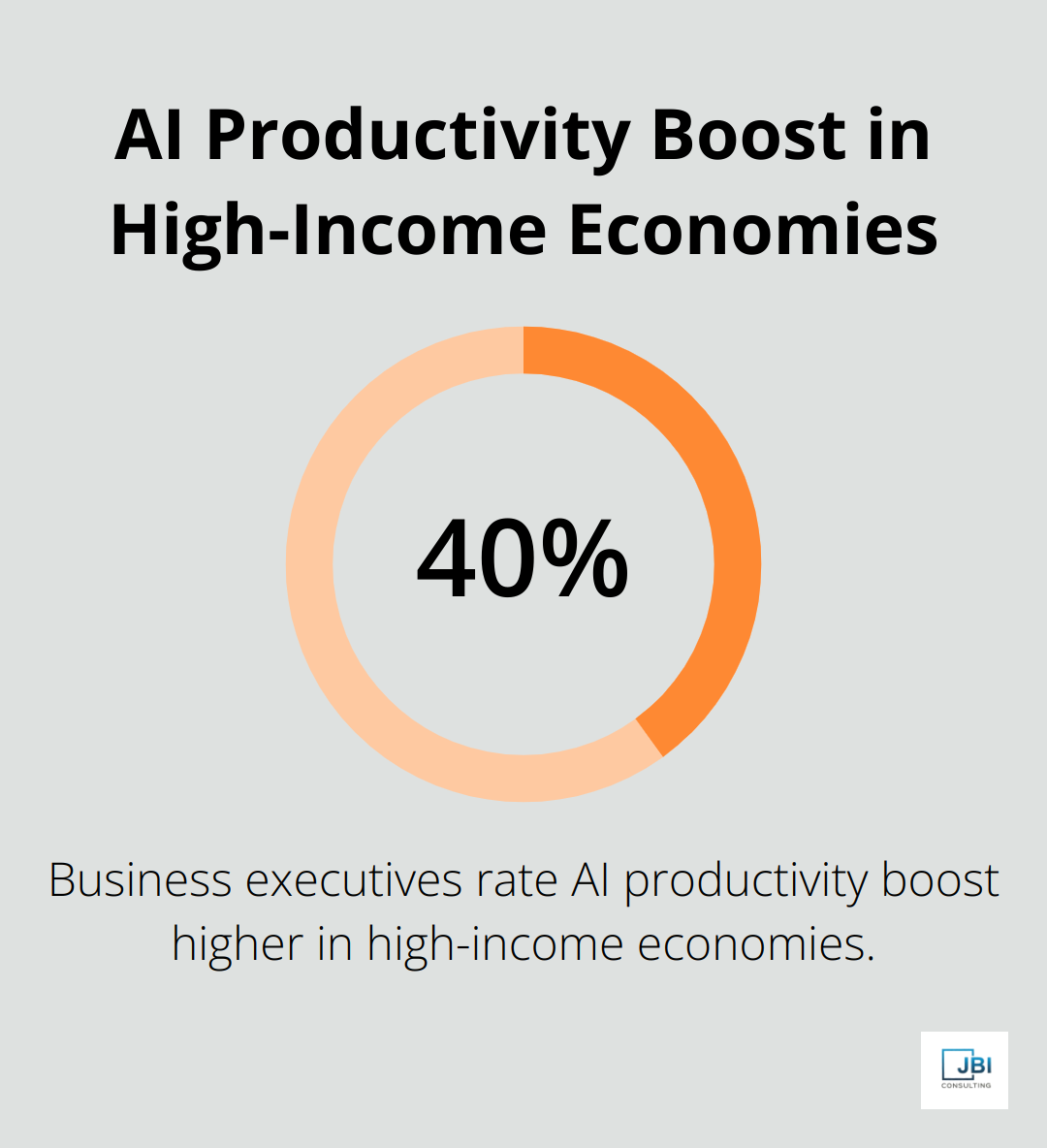
AI and machine learning revolutionize business operations. Business executives rate the productivity-boosting use of AI nearly 40% higher in high-income economies. Identify areas where AI can automate repetitive tasks or provide deeper insights. Use chatbots to handle customer inquiries 24/7, which frees up your team to focus on complex issues. Implement predictive analytics to forecast market trends and adjust your strategies proactively.
Data for Smarter Decision-Making
Data is the new oil, but only if you know how to refine it. Implement robust data analytics tools to turn raw information into actionable insights. A McKinsey report shows that data-driven organizations are 23 times more likely to acquire customers. Centralize your data sources and invest in visualization tools that make complex data easy to understand. Use A/B testing to optimize your marketing campaigns and product features based on real user data.
Scale with Cloud Computing
Cloud computing offers unparalleled flexibility and scalability. It allows you to adapt quickly to market changes without heavy upfront investments. According to Gartner, companies that adopt cloud-first strategies save up to 14% of their budgets. Move your core business applications to the cloud to reduce IT costs and improve accessibility. Use cloud-based collaboration tools to enhance team productivity and enable remote work capabilities.
Cybersecurity as a Competitive Advantage
In an era of increasing digital threats, robust cybersecurity can set you apart from competitors. Invest in advanced security measures to protect your data and build trust with customers. Try to implement multi-factor authentication, regular security audits, and employee training programs. A strong security posture not only protects your assets but also enhances your reputation in the market.
Technology integration is key to creating sustainable competitive advantages. The next step is to focus on how you can use these technological advancements to create a more customer-centric approach, which we’ll explore in the following section.
How to Put Customers at the Heart of Your Business
Tailor Your Offerings to Individual Needs
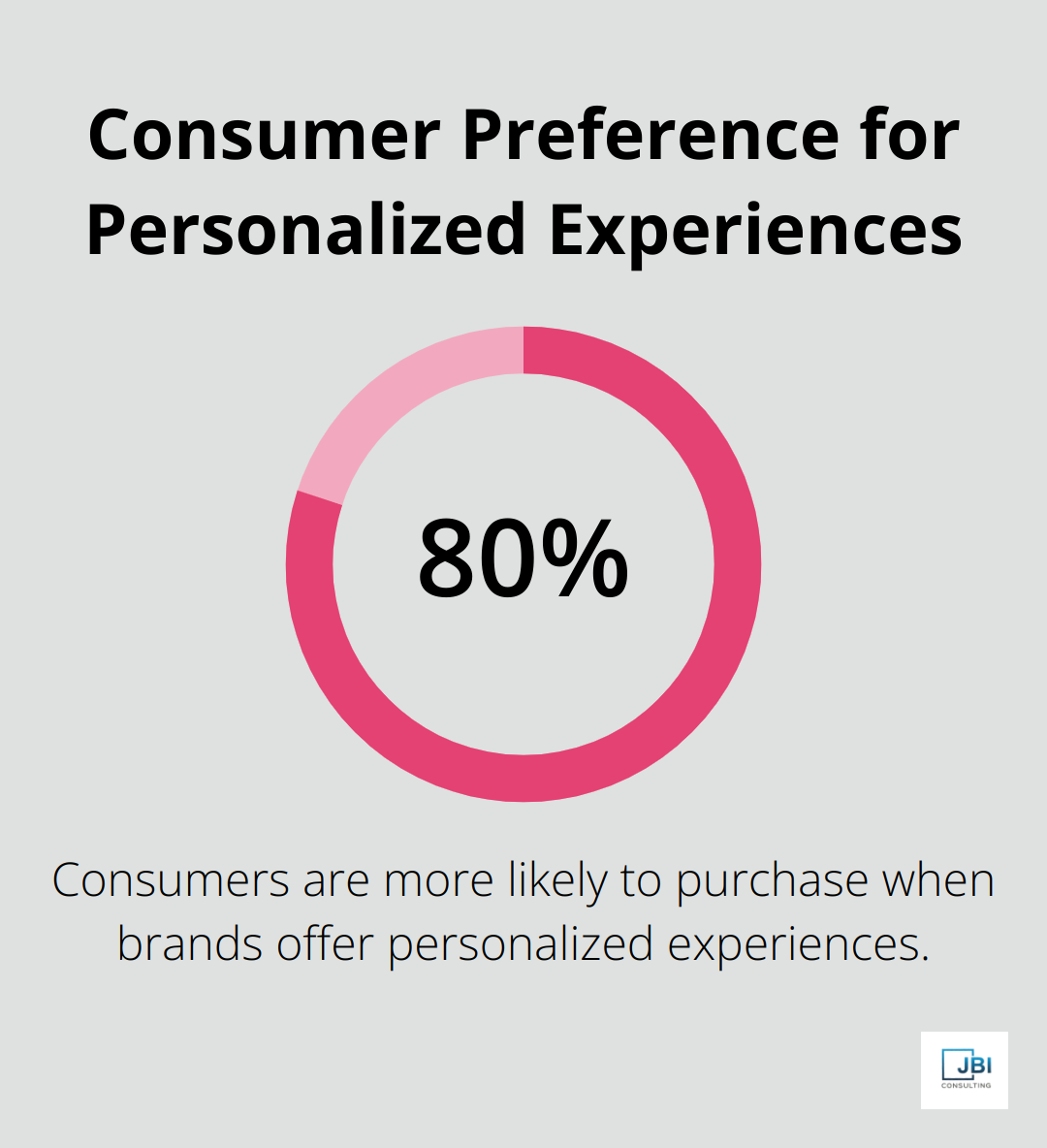
Personalization has become a standard expectation in today’s market. A study by Epsilon reveals that 80% of consumers are more likely to purchase when brands offer personalized experiences. To achieve this, you should segment your customer base using data analytics. This information enables you to create targeted marketing campaigns and product recommendations.
A clothing retailer might use purchase history to suggest outfits that match a customer’s style. A B2B software company could offer customized onboarding experiences based on the client’s industry and size. The key is to use data to understand your customers and then act on those insights.
Create a Seamless Multi-Channel Experience
Modern customers interact with brands across multiple touchpoints. Your task is to make this journey as smooth as possible.
You should implement an omnichannel strategy that connects all your customer interaction points. This strategy ensures that a customer can start a conversation on social media, continue it via email, and finish it on the phone without having to repeat themselves. Invest in CRM systems that centralize customer data across all channels. Train your staff to access and update this information in real-time, ensuring consistent service regardless of the touchpoint.
Turn Customer Feedback into Action
Customer feedback is invaluable (if you know how to use it). However, collecting feedback isn’t enough; you need to act on it.
Set up regular surveys, monitor social media mentions, and analyze customer service interactions. Look for patterns in the feedback and prioritize addressing the most common issues. When you make changes based on customer input, communicate these back to your customers. This approach shows that you’re listening and value their opinion.
For instance, if multiple customers complain about a confusing checkout process, streamline it and then email your customers about the improvement. This action not only solves a problem but also strengthens customer relationships.
Empower Your Front-Line Staff
Your front-line employees are the face of your company. They interact directly with customers and have valuable insights into their needs and pain points. Empower these staff members to make decisions that benefit the customer (within reasonable limits).
Try to implement regular training programs that focus on customer service skills and product knowledge. Encourage your front-line staff to share customer feedback and suggestions with management. This approach not only improves customer satisfaction but also boosts employee engagement.
Leverage Technology for Customer Insights
Use technology to gain deeper insights into your customers’ behavior and preferences. Implement AI-powered analytics tools that can predict customer needs and identify trends. These tools can help you anticipate customer requirements and proactively offer solutions.
For example, a streaming service might use viewing history and AI algorithms to recommend new shows before a customer even realizes they want to watch them. This predictive approach to customer service can significantly enhance the user experience and increase customer loyalty.
As we move forward, it’s clear that putting customers at the heart of your business is not just about satisfying their current needs. It’s about anticipating future requirements and creating an effective client engagement model where innovation thrives. In the next section, we’ll explore how to foster a culture of innovation that keeps you ahead of the curve and continuously delights your customers.
How to Build an Innovation Powerhouse
Embrace Failure as a Learning Opportunity
Innovation requires risk-taking, and not every risk pays off. The fear of failure can stifle creativity and prevent breakthrough ideas from ever seeing the light of day. To combat this, implement a ‘fail fast, learn faster’ approach. Establish clear boundaries for risk and define acceptable levels to mitigate catastrophic failures. This gives your team the confidence to experiment with new ideas, even if they might not work out.

Google’s famous 20% time policy (which allowed employees to spend one-fifth of their work week on side projects) led to the creation of Gmail and AdSense. While not every company can afford such a generous policy, even small steps can make a difference. Set aside time for brainstorming sessions where no idea is too outlandish. Create a ‘failure wall’ where team members can share their unsuccessful projects and what they learned from them.
Foster Cross-Pollination of Ideas
Innovation often happens at the intersection of different disciplines. Break down silos within your organization and encourage collaboration across departments. Set up regular cross-functional meetings or workshops where employees from different areas can share their perspectives and challenges. Establish clear communication channels and put common goals at the forefront to strengthen cross-departmental collaboration.
IDEO, a global design company, is known for its interdisciplinary approach to innovation. They bring together experts from various fields to tackle complex problems. You can adopt a similar strategy by creating diverse project teams or organizing internal ‘innovation fairs’ where different departments showcase their work to the rest of the company.
Invest in Continuous Learning
The pace of change in today’s business world is relentless. To stay ahead, your team needs to constantly learn and adapt. Allocate a portion of your budget specifically for employee development. This could include sending staff to industry conferences, bringing in external experts for workshops, or providing access to online learning platforms.
AT&T’s massive reskilling program (which aimed to prepare its workforce for the digital age) is a prime example of this approach. While you may not have AT&T’s resources, even small investments in learning can yield significant returns. Encourage employees to share their knowledge through internal presentations or mentoring programs.
Create Physical and Virtual Spaces for Innovation
The environment in which your team works can have a significant impact on their creativity. Design your office space to facilitate collaboration and spontaneous interactions. Include areas for quiet reflection as well as spaces for group discussions.
Pixar’s office layout is famous for encouraging ‘chance encounters’ between employees from different departments. While you may not be able to redesign your entire office, even small changes like creating a communal area with whiteboards and comfortable seating can make a difference.
Don’t forget about virtual spaces, especially in today’s increasingly remote work environment. Use digital collaboration tools that allow for real-time ideation and project management across distributed teams.
Align Innovation with Business Goals
While it’s important to encourage creativity, it’s equally important to ensure that innovation efforts align with your overall business strategy. Regularly communicate your company’s goals and challenges to your team, and encourage them to focus their innovative efforts on solving these specific problems.
Amazon’s ‘working backwards’ approach, where teams start by writing a press release for a potential new product before actually developing it, ensures that innovation always ties to customer needs and business objectives. Try to adopt a similar approach by asking your team to consider the end goal or customer benefit of any new idea they propose.
Final Thoughts
Today’s rapidly evolving business landscape demands a multifaceted approach to innovation and competitive strategy. Companies must leverage technology, prioritize customer-centricity, and foster a culture of innovation to gain a significant edge. These strategies form the foundation of a robust approach that can propel businesses forward in an ever-changing market.
Success hinges on continuous adaptation as markets shift, customer preferences change, and new technologies emerge at an unprecedented pace. Companies that view innovation as an integral part of their DNA (rather than a separate initiative) position themselves to create value for customers and stay ahead of the curve. They constantly seek new ways to challenge the status quo and drive progress.
If you want to take your sales strategy to new heights and complement your innovation efforts, explore JBI Consulting’s transformative program. Our approach can help you refine your sales skills, enhance client relationships, and proactively seek new opportunities. The future belongs to those who innovate – are you ready to lead the charge?