
At JBI Consulting, we know that strong client relationships are the backbone of any successful business. A well-structured client engagement framework can transform how you interact with your customers, leading to increased satisfaction and loyalty.
In this post, we’ll guide you through the process of implementing an effective client engagement framework. We’ll cover everything from understanding the key components to overcoming common challenges, helping you build lasting partnerships with your clients.
What Is a Client Engagement Framework?
Definition and Purpose
A client engagement framework is a structured approach to managing and enhancing relationships with clients. It creates a systematic way to interact with clients that aligns with their needs and your business goals. This framework acts as a roadmap for all client interactions, from initial contact to long-term partnership.
The Impact of Client Engagement
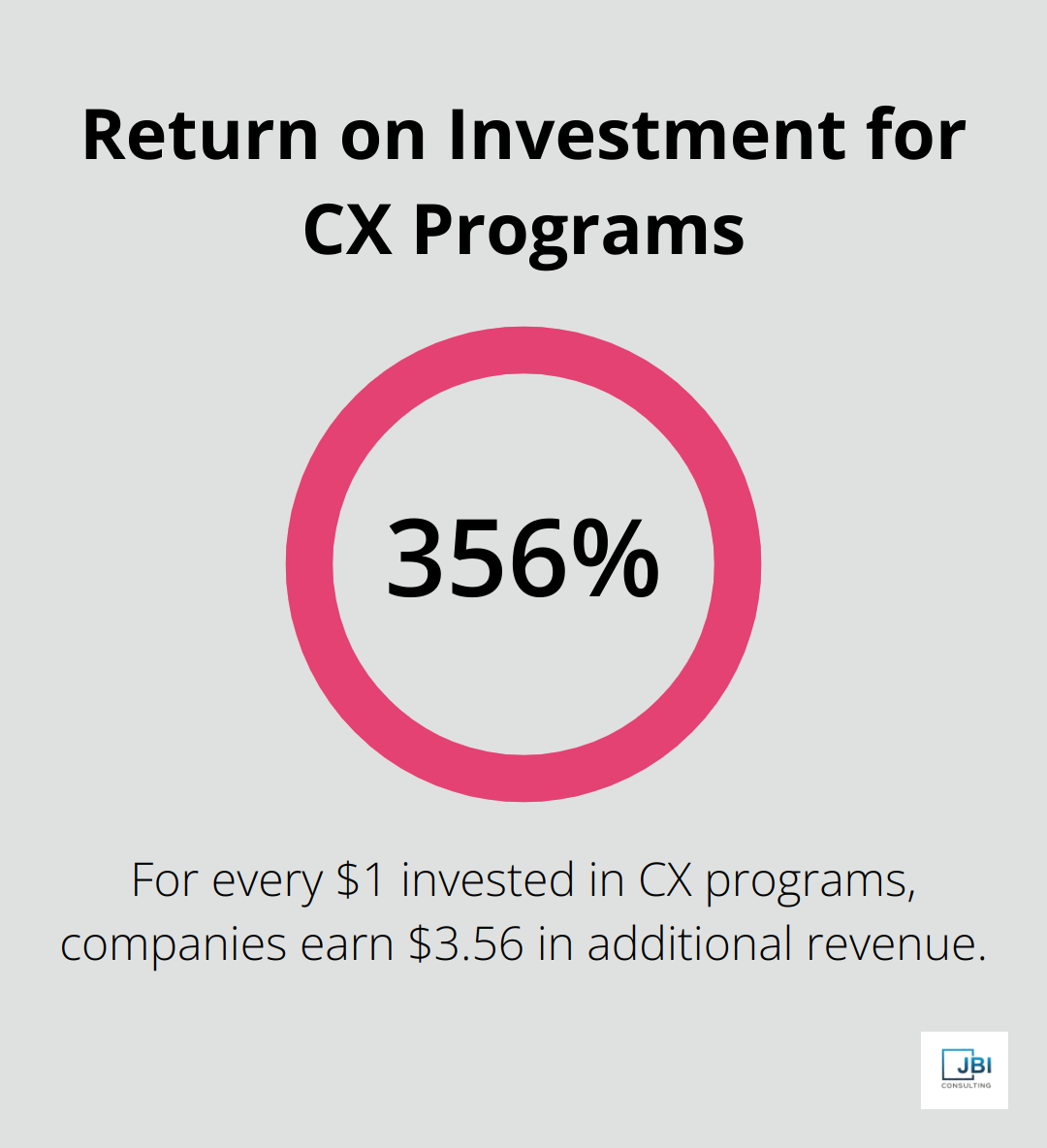
Client engagement creates value for both parties. Research shows that for every dollar invested into a CX program, the company earns $3.56 in additional revenue. This statistic highlights the critical role effective client engagement plays in business success.
Essential Components of an Effective Framework
An effective client engagement framework includes several key components:
- Client Segmentation: Segment your client base to allow for more targeted and personalized engagement strategies.
- Communication Protocols: Establish clear channels and frequency of communication to keep clients informed and valued.
- Value Proposition: Articulate the unique value you bring to each client relationship.
- Feedback Mechanisms: Collect and analyze regular feedback to improve your engagement strategies continually.
- Performance Metrics: Define and track key performance indicators (KPIs) to measure the effectiveness of your engagement efforts.
Advantages of a Structured Approach
A structured client engagement framework offers numerous benefits:
- Increased Client Retention: Companies with strong customer experience have a 16% advantage in customer willingness to buy more, and a 24% advantage in customer likelihood to recommend (Temkin Group).
- Enhanced Efficiency: A well-defined framework streamlines processes, which reduces time and resources spent on ad-hoc client management.
- Improved Client Satisfaction: Consistently meet and exceed client expectations to build stronger, more satisfying relationships.
- Higher Revenue: Engaged clients invest more in additional services and provide referrals. Fully engaged customers represent a 23% premium in share of wallet, profitability, revenue, and relationship growth over the average customer.
- Competitive Advantage: A superior client engagement framework sets you apart from competitors in a crowded market.
The Role of Technology
Modern client engagement frameworks often incorporate technology to enhance effectiveness. Customer Relationship Management (CRM) systems, for example, can help track interactions, automate follow-ups, and provide valuable insights into client behavior. AI-powered chatbots can offer 24/7 support, while data analytics tools can help identify trends and opportunities for improvement.
The next chapter will explore how to develop a client engagement strategy that leverages these components and benefits to create a tailored approach for your business. We’ll discuss identifying client needs, creating personalized engagement plans, and sales improvement strategies to ensure your framework drives real results.
How to Craft Your Client Engagement Strategy
Understanding Client Needs
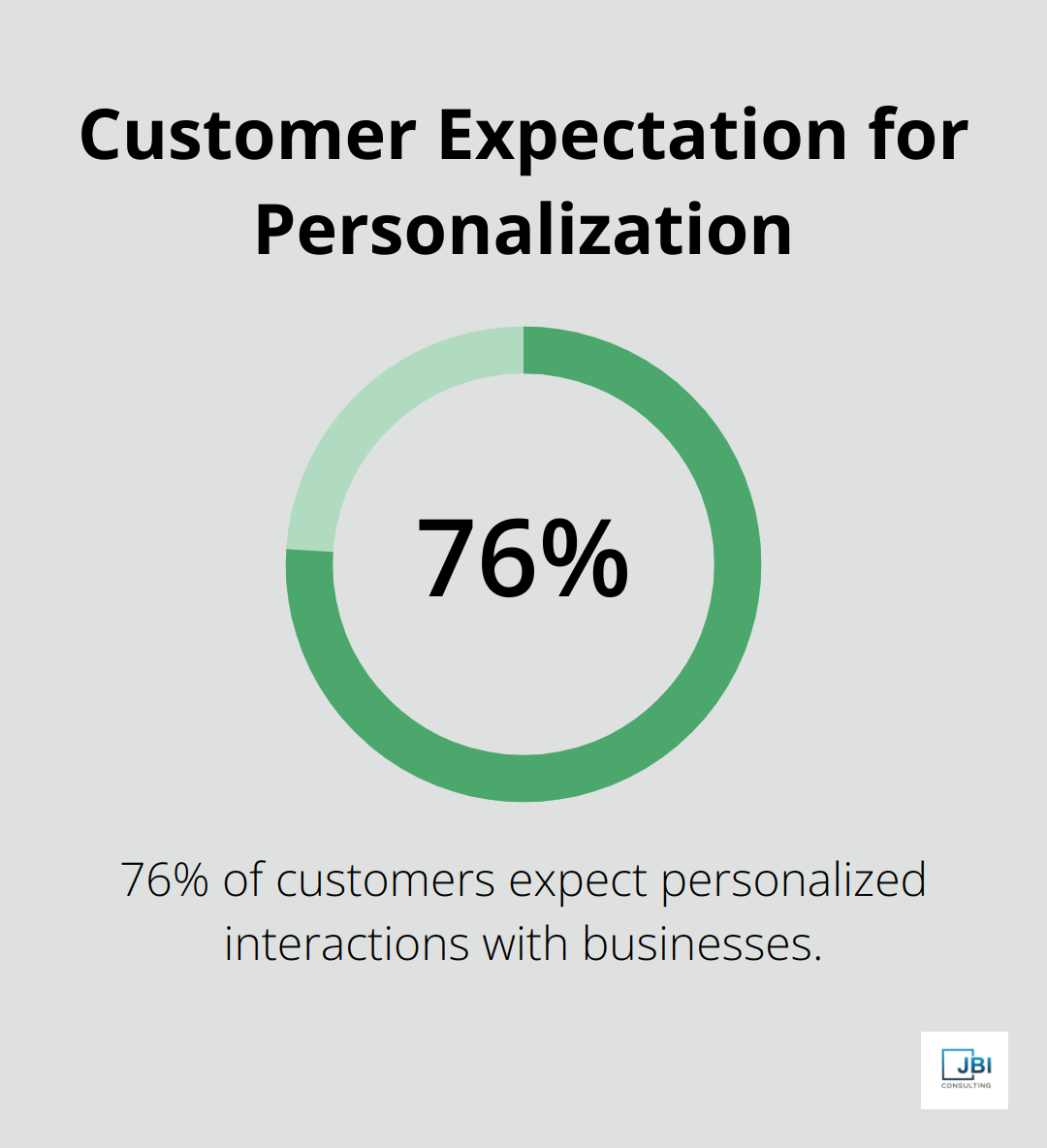
To develop an effective strategy, conduct in-depth client interviews. Ask about their goals, pain points, and preferred communication methods. This information forms the foundation of your engagement plan. A study by Zendesk reveals that 76% of customers expect personalization.
Tailoring Your Approach
Create personalized engagement plans based on client needs. If a client values frequent updates, schedule weekly check-ins. If they prefer data-driven insights, prepare monthly performance reports. This customization ensures that each client receives the attention and information they value most.
Establishing Clear Communication Channels
Implement a multi-channel approach to reach clients where they’re most comfortable. Some may prefer email, while others value face-to-face meetings. This approach allows you to cater to various communication preferences effectively.
Setting Measurable Goals
Define specific, measurable goals for your client engagement efforts. These could include metrics like Net Promoter Score (NPS), customer satisfaction ratings, or retention rates. Try to increase your NPS by 10 points over the next year. Regular review of these metrics will help you gauge the effectiveness of your strategy and make data-driven improvements.
Leveraging Technology
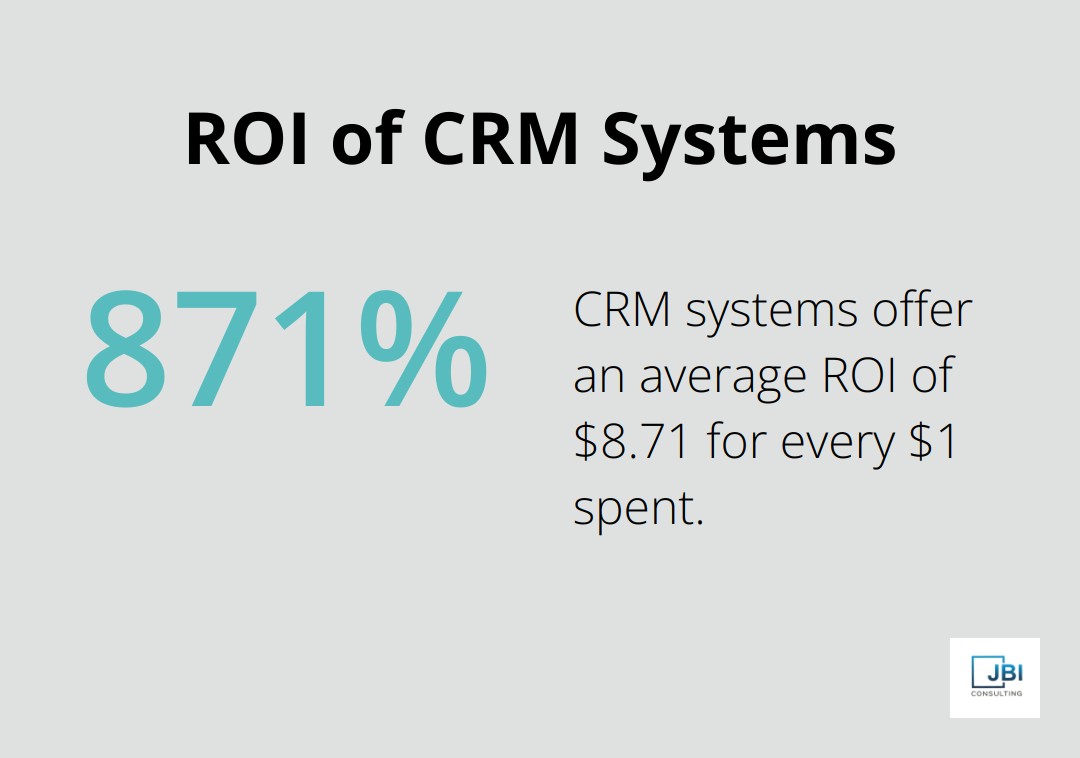
Implement a robust CRM system to track all client interactions and measure engagement levels. This allows you to identify trends and adjust your approach accordingly. Capsule CRM reports that CRM systems offer an average return on investment of $8.71 for every dollar spent (an impressive figure that underscores the value of such systems).
Your client engagement strategy should evolve as your client’s needs change. Regularly collect and analyze customer feedback to improve your products, services, and overall customer experience. The next chapter will explore how to implement and optimize your client engagement framework, ensuring that your strategy translates into tangible results and stronger client relationships.
How to Implement Your Client Engagement Framework
Train Your Team Effectively
Start with thorough training for your team on the new engagement approach. This involves more than explaining the framework; it requires helping your team understand the rationale behind it. Create role-playing scenarios that simulate real client interactions, allowing your team to practice and refine their skills in a controlled environment. Sales training statistics reveal significant improvements in sales performance when companies provide ongoing training to their teams.
Leverage Technology for Enhanced Interactions
Technology plays a vital role in modern client engagement. Implement a robust CRM system to track all client interactions and measure engagement levels. Use AI-powered tools to analyze client data and predict future needs, allowing you to address issues proactively before they arise. CRM applications can lead to substantial increases in sales automation and performance metrics.
Continuously Review and Adjust
Your client engagement framework should evolve with your clients’ needs. Set up regular review periods – monthly or quarterly – to assess the effectiveness of your strategy. Examine key metrics like client satisfaction scores, retention rates, and revenue growth. If you don’t see the desired results, make the necessary changes. Companies that excel at customer experience often experience above-market revenue growth.
Overcome Common Challenges
Implementing a new framework comes with hurdles. One frequent challenge is resistance to change from both team members and clients. Address this by clearly communicating the benefits of the new approach and providing ample support during the transition. Another challenge involves maintaining consistency across all client interactions. Combat this by creating standardized processes and templates, while still allowing for personalization.
Stay Ahead of Industry Trends
To maintain a competitive edge, stay informed about emerging trends in client engagement. This might include adopting new technologies, exploring innovative communication channels, or adapting to changing client preferences.
By following these steps, you can effectively implement your client engagement framework and build lasting customer relationships. Remember, the key to success lies in continuous improvement and adaptation to your client’s evolving needs.
Final Thoughts
A client engagement framework transforms how businesses interact with customers in today’s competitive landscape. Companies that adopt this structured approach enhance customer satisfaction, increase retention rates, and drive revenue growth. Understanding clients’ unique needs, creating personalized engagement plans, and using technology to streamline interactions form the foundation of successful implementation.
We expect AI, machine learning, virtual reality, and blockchain to shape the future of client engagement. These technologies will predict client needs, personalize interactions, offer new remote engagement methods, and enhance transparency in client relationships. As client expectations rise, businesses must innovate their engagement strategies to thrive in an ever-changing environment.
At JBI Consulting, we help businesses transform their sales approach and client relationships. Our transformative program equips teams with skills to seek new opportunities and build stronger client connections. A well-implemented client engagement framework creates lasting partnerships that drive mutual success, setting the foundation for a thriving business.