
At JBI Consulting, we know that a strong client engagement model is the backbone of any successful business relationship.
In today’s competitive landscape, companies must go beyond simply providing services to truly connect with their clients.
This blog post will explore how to create an effective client engagement model that fosters loyalty, drives growth, and sets your business apart from the competition.
What Is a Client Engagement Model?
Defining the Framework
A client engagement model is a strategic framework that outlines how a business interacts with its clients throughout the client’s lifecycle. It’s not just about making sales; it’s about creating meaningful connections that drive mutual success.
The Impact of Effective Client Engagement
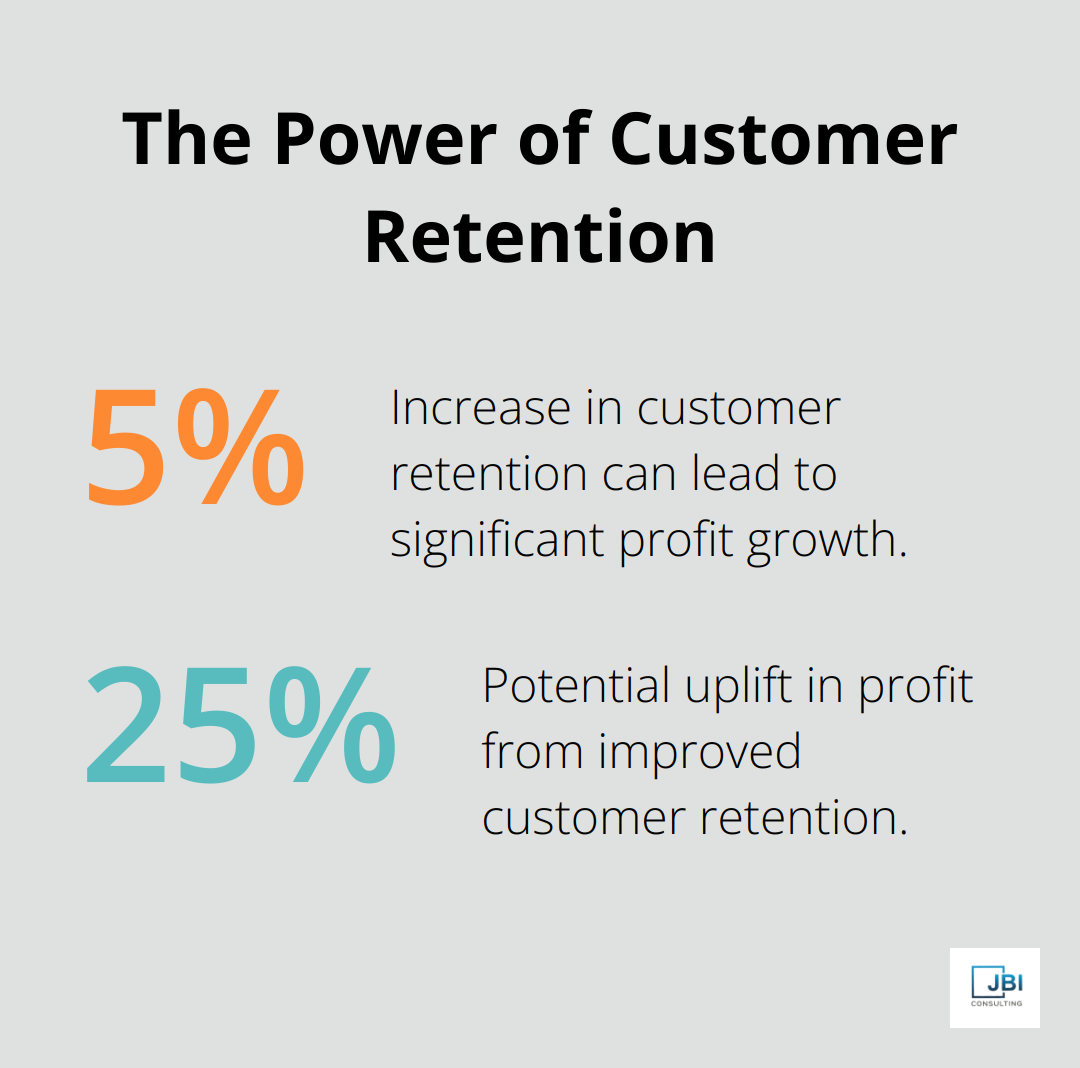
An effective client engagement model is the cornerstone of business growth. A study by Bain & Company reveals that a 5% increase in customer retention can result in a 25% uplift in profit. This statistic underscores the importance of building strong, lasting relationships with clients.
Key Elements of a Successful Model
- Clear Communication Channels: Establish multiple touchpoints for client interaction, including face-to-face meetings, video calls, emails, and dedicated client portals.
- Personalization: Tailor your approach to each client’s unique needs and preferences. A one-size-fits-all strategy won’t suffice in today’s competitive landscape.
- Proactive Problem-Solving: Anticipate client needs and address issues before they become problems. This approach builds trust and demonstrates your commitment to their success.
- Continuous Feedback Loop: Regularly solicit and act on client feedback. This not only improves your services but also shows clients that their opinions matter.
- Value-Added Services: Offer additional resources, insights, or training that can help your clients succeed in their own businesses.
Measuring the Impact of Your Engagement Strategy
To truly understand the effectiveness of your client engagement model, you need to track key performance indicators (KPIs). Some essential metrics include:
- Client Retention Rate: This measures the percentage of clients who continue to use your services over time.
- Net Promoter Score (NPS): This indicator gauges client satisfaction and loyalty by asking how likely they are to recommend your services to others.
- Client Lifetime Value (CLV): This metric helps you understand the total revenue you can expect from a single client over the course of your relationship.
- Upsell and Cross-sell Rates: These metrics indicate how successful you are at expanding your services within existing client relationships.
The Path to Client-Centric Success
A robust client engagement model transforms the way businesses interact with their clients. It shifts the focus from transactional relationships to partnerships built on trust and mutual growth. As we move forward, we’ll explore how to develop a client-centric approach that puts these principles into action and sets the foundation for long-term success.
How to Put Clients First
Listen Actively
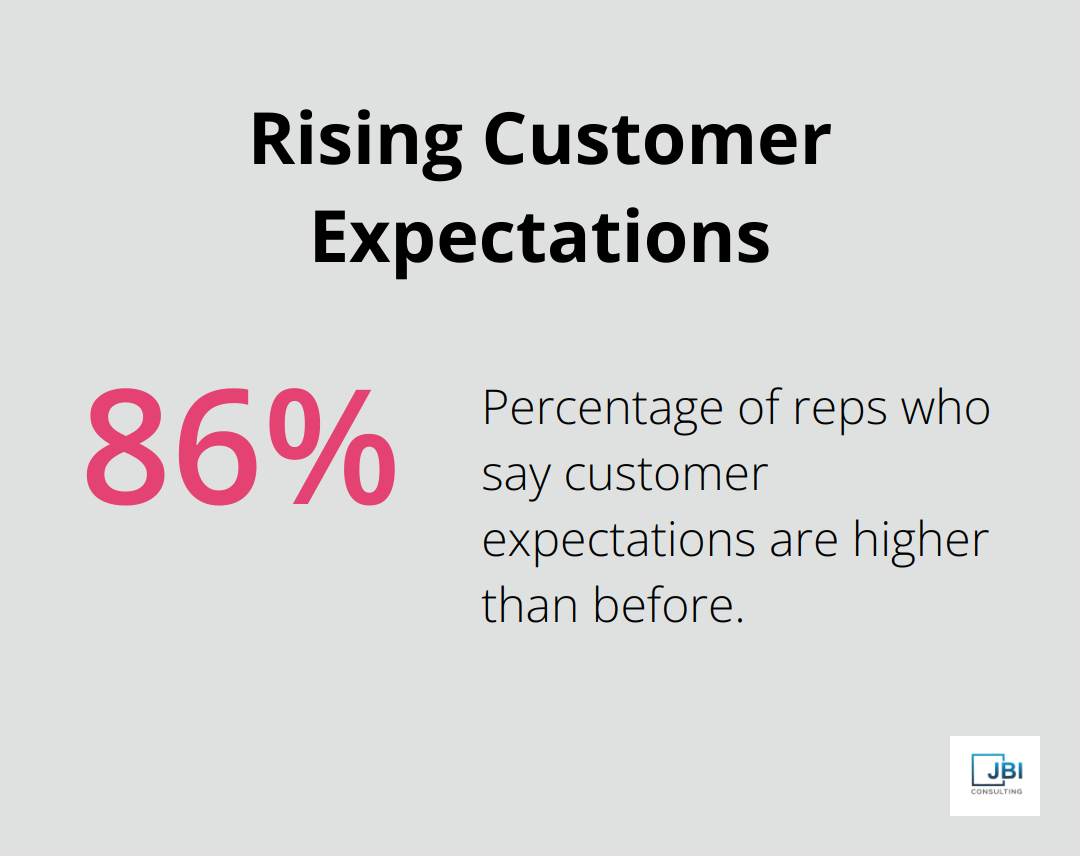
The foundation of a client-centric approach is active listening. Schedule regular check-ins with your clients, but don’t dominate the conversation. Ask open-ended questions and allow them to express their needs, challenges, and goals. 86% of reps say customer expectations are higher than they used to be. Active listening not only gathers information but also demonstrates that you value your clients’ input.
Customize Your Offerings
After understanding your client’s needs, adapt your services to address their specific challenges. This doesn’t require creating entirely new products for each client, but rather adjusting your existing offerings to align with their unique situations. For instance, a marketing agency working with a client in a niche industry might need to modify its standard strategies to fit the client’s market position.
Empower Through Education
A client-centric approach extends beyond solving immediate problems; it involves empowering clients for long-term success. Provide resources, training, and insights that complement your immediate service offering. This could include industry reports, skill-building workshops, or access to expert networks.
Anticipate Needs
Don’t wait for clients to approach you with problems. Instead, try to anticipate their needs and proactively offer solutions. This might involve regular strategy sessions to brainstorm future challenges or setting up alerts for industry changes that could affect your clients. Customer service has evolved from a reactive and responsive focus to reduce operation costs.
Implement a Feedback System
Place continuous improvement at the heart of your client-centric approach. Create a system for regularly collecting and acting on client feedback. This could include quarterly surveys, post-project debriefs, or even a client advisory board for larger organizations.
The shift to a client-centric approach requires ongoing effort and commitment. As we move forward, we’ll explore how technology can enhance and streamline your client engagement strategies, taking your client relationships to new heights.
How Technology Enhances Client Engagement
The Power of CRM Systems
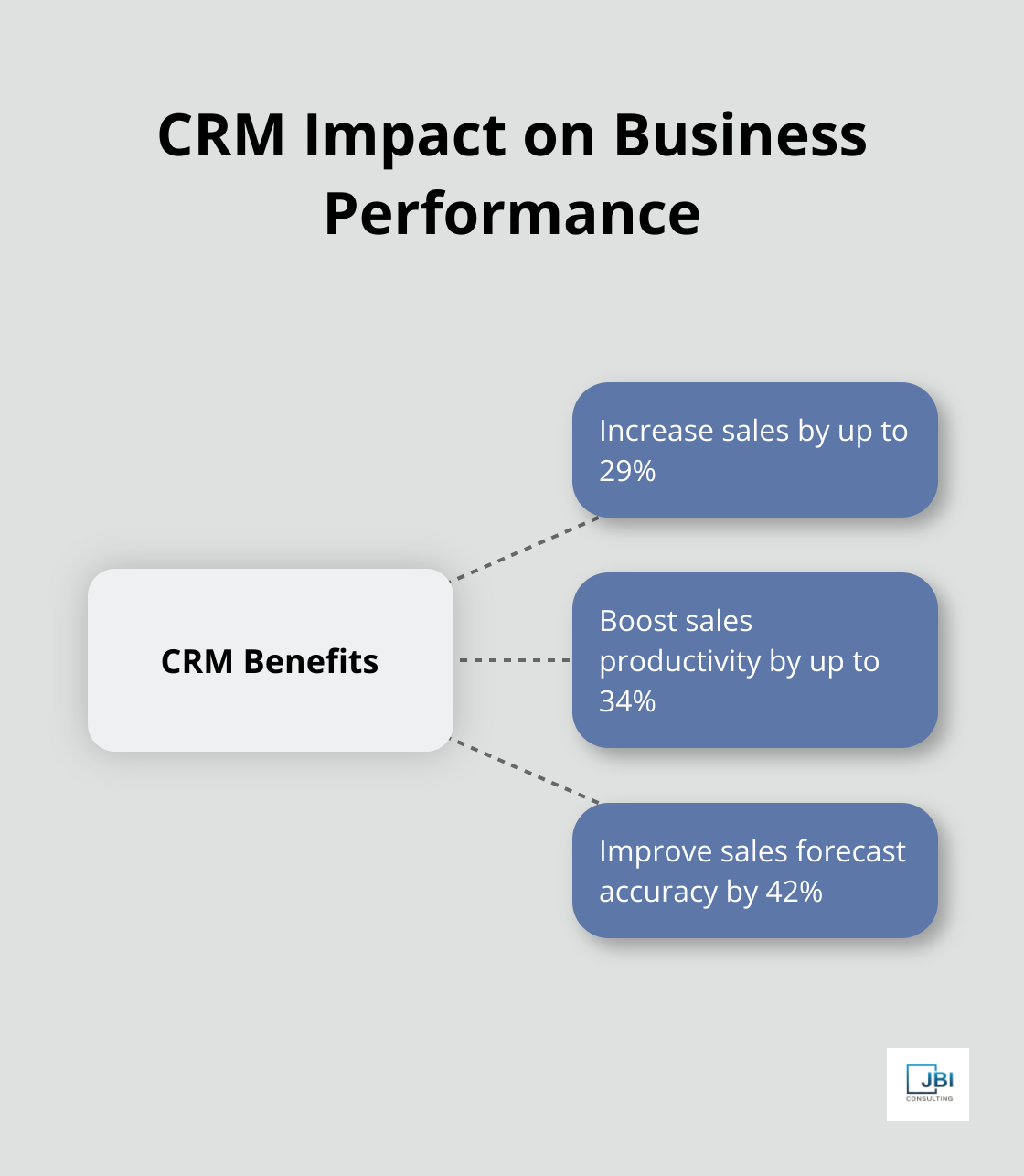
Customer Relationship Management (CRM) systems form the foundation of modern client engagement. A robust CRM centralizes client data, tracks interactions, and provides valuable insights. CRM applications can help increase sales by up to 29%, sales productivity by up to 34%, and sales forecast accuracy by 42%. When you select a CRM, prioritize user-friendliness and integration capabilities with your existing tools.
Data-Driven Insights for Better Decisions
Data analytics tools transform raw client data into actionable insights. These tools predict client behavior, identify upsell opportunities and highlight potential churn risks. Try to focus on one or two key metrics initially, then expand your analytics efforts as you become more comfortable with the data.
Automation for Improved Efficiency
Automation tools allow your team to focus on high-value client interactions. From automated email campaigns to chatbots for initial client inquiries, these tools significantly improve efficiency. When you implement automation, start with repetitive tasks that don’t require a personal touch (such as appointment scheduling or basic customer service inquiries).
Digital Platforms for Seamless Communication
Digital communication platforms are essential for consistent client engagement. Video conferencing tools, project management software, and collaborative workspaces facilitate real-time interaction and transparency. Invest in a suite of communication tools that integrate well with each other to create a cohesive client experience.
Balancing Technology and Human Touch
While technology is a powerful enabler, it doesn’t substitute genuine human connection. Use these tools to enhance, not replace, personal interactions. As you implement these technologies, gather feedback from both your team and clients to refine your approach. This ensures that your tech stack truly serves your client engagement goals. Tools like heat maps and user session recordings can provide valuable insights into how your customers interact with your brand across different touchpoints.
Final Thoughts
An effective client engagement model requires dedication, strategy, and adaptability. It must evolve with changing client needs, emerging technologies, and shifting market conditions. Continuous improvement maintains strong client connections in today’s fast-paced business environment.
A well-crafted client engagement model increases retention, satisfaction, and business outcomes. It positions your company as a trusted partner rather than just another service provider. This perception shift can differentiate you in a crowded marketplace.
JBI Consulting’s sales development program helps businesses transition from passive lead nurturing to proactive opportunity hunting. We encourage you to make client engagement a top priority in your business strategy. The effort invested in developing your client engagement model will yield loyal clients, increased referrals, and long-term success.