
At JBI Consulting, we’ve seen firsthand how strong client relationships drive business growth. Client engagement is more than just good customer service; it’s a strategic approach to building lasting partnerships.
In this post, we’ll explore client engagement best practices that can transform your business. From effective communication strategies to building long-term relationships, these tactics will help you create a loyal client base and boost your bottom line.
What Is Client Engagement?
Defining Client Engagement
Client engagement forms the foundation of successful business relationships. It transcends simple transactions, creating meaningful interactions that actively involve clients in the process. This approach fosters a sense of partnership and shared success between businesses and their clients.
The Impact on Business Growth
Effective client engagement significantly influences business growth. A recent Gallup study revealed that organizations with highly engaged teams outperform their competitors by 147% in earnings per share. This statistic highlights the substantial impact strong client relationships can have on a company’s bottom line.

Businesses that prioritize client engagement often experience:
- Higher retention rates
- Increased referrals
- More opportunities for upselling and cross-selling
These factors contribute to sustainable growth and a more stable revenue stream.
Key Elements of Successful Engagement
To achieve meaningful client engagement, several key components must be in place:
- Clear Communication: Establish open lines of communication and proactively reach out to clients. Use their preferred channels (email, phone, or face-to-face meetings).
- Personalization: Tailor your approach to each client’s unique needs and preferences. AI and personalization are transforming consumer experiences, boosting engagement, satisfaction, and loyalty in the digital age.
- Consistency: Deliver a consistent experience across all touchpoints. This builds trust and reliability in your brand.
- Value Addition: Continuously look for ways to add value beyond your core offerings. This could include educational content, industry insights, or complementary services.
- Feedback Loop: Regularly seek and act on client feedback. This improves your services and shows clients that their opinions matter.
Measuring Engagement Success
To gauge the effectiveness of your client engagement efforts, track key metrics such as:
- Net Promoter Score (NPS)
- Customer Lifetime Value (CLV)
- Retention rates
These indicators provide valuable insights into the strength of your client relationships and areas for improvement.
The Role of Technology in Client Engagement
Modern technology plays a pivotal role in enhancing client engagement. Customer Relationship Management (CRM) systems, for instance, help businesses track interactions, personalize communications, and identify opportunities for engagement. Additionally, AI-powered chatbots can provide instant responses to client queries, improving response times and overall satisfaction.
As we move forward, the next chapter will explore effective communication strategies that form the backbone of successful client engagement. These strategies will help you build stronger, more meaningful relationships with your clients, ultimately driving business growth.
How to Master Effective Communication with Clients
The Power of Active Listening
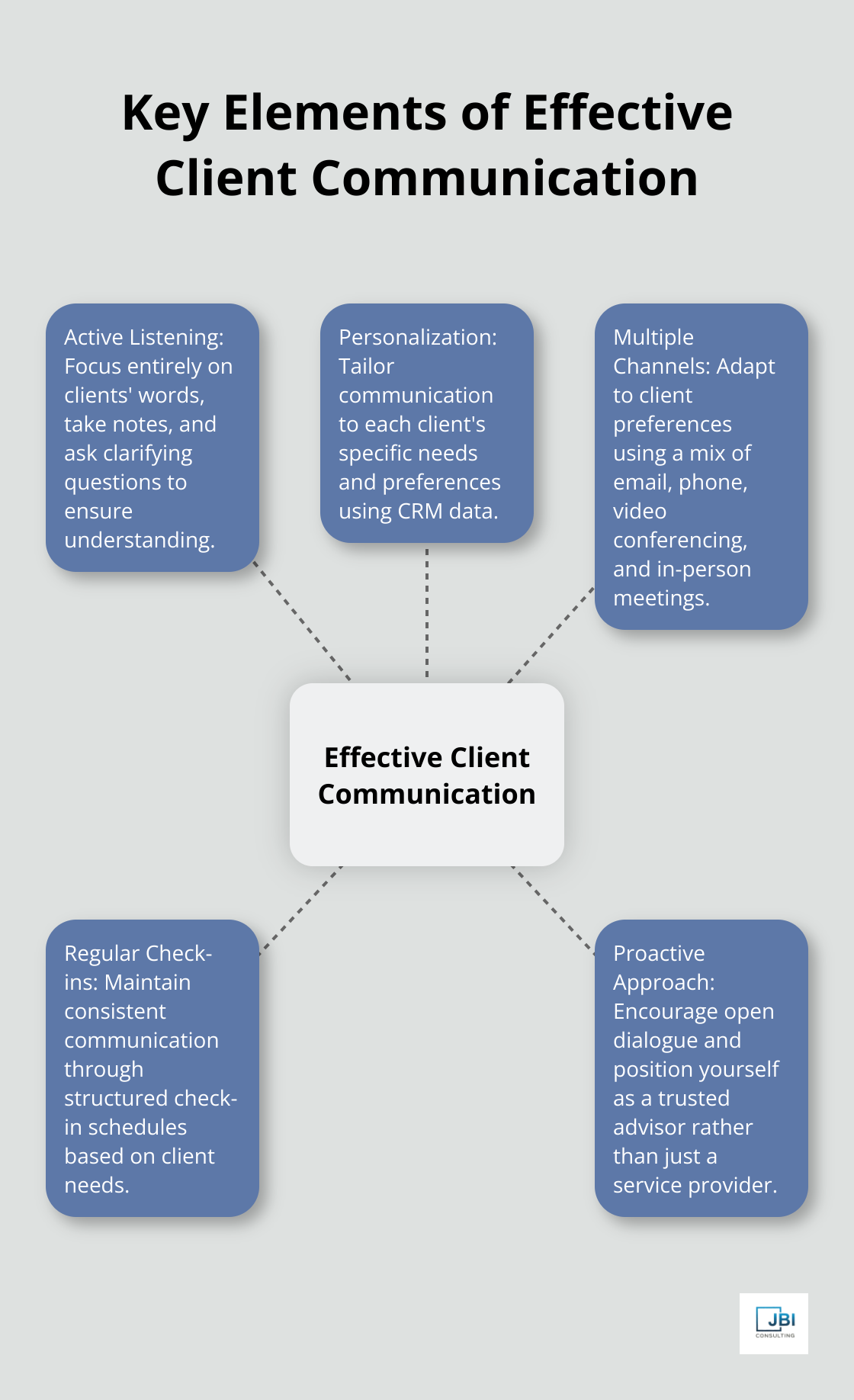
Active listening transcends mere hearing; it involves understanding clients’ needs, concerns, and goals. During client meetings, focus entirely on their words. Take notes, ask clarifying questions, and paraphrase their points to ensure correct understanding. This approach demonstrates value for client input and prevents misunderstandings.
Sales statistics from 2025 highlight the importance of developing strong listening skills in client interactions.
Personalization: The Key to Client Connection
Generic communication belongs in the past. Today’s clients expect personalized interactions tailored to their specific needs and preferences. Use your CRM system to track client preferences, past interactions, and key information. This data allows you to customize your communication, making each interaction more relevant and valuable.
For example, if a client prefers concise email updates, respect that preference. If another client appreciates in-depth phone conversations, schedule regular calls. This level of personalization can significantly impact client satisfaction and loyalty.
Leveraging Multiple Communication Channels
Different clients prefer different communication channels. Some favor email for its convenience, while others might prefer face-to-face meetings or video calls. The key is to adapt to each client‘s preferences.
Use a mix of communication channels (email, phone, video conferencing, and in-person meetings) to meet these expectations and enhance client engagement.
The Importance of Regular Check-ins
Consistent communication maintains strong client relationships. Regular check-ins keep clients informed, address potential issues before they escalate, and demonstrate your commitment to their success.
Implement a structured check-in schedule based on the client’s needs and project timelines. This could include weekly progress reports, monthly strategy calls, or quarterly review meetings. The frequency and format should align with the client’s preferences and the nature of your work together.
Client communication best practices emphasize setting clear expectations upfront, avoiding assumptions, explaining things in simple terms, and using the right communication tools.
Proactive communication positions you as a trusted advisor rather than just a service provider. Encourage clients to share their thoughts, concerns, and feedback. This open dialogue fosters trust and helps you continually improve your services.
These communication strategies build stronger, more productive relationships with your clients. The next chapter will explore how to transform these strong relationships into long-term partnerships that drive sustainable business growth.
How to Build Lasting Client Partnerships
Go Beyond Transactions
The key to lasting partnerships lies in providing value that extends beyond your core offerings. This approach positions you as a trusted advisor rather than just a service provider. Share industry insights, offer complimentary workshops, or provide access to exclusive resources. These value-added services demonstrate your commitment to your clients’ success and set you apart from competitors.
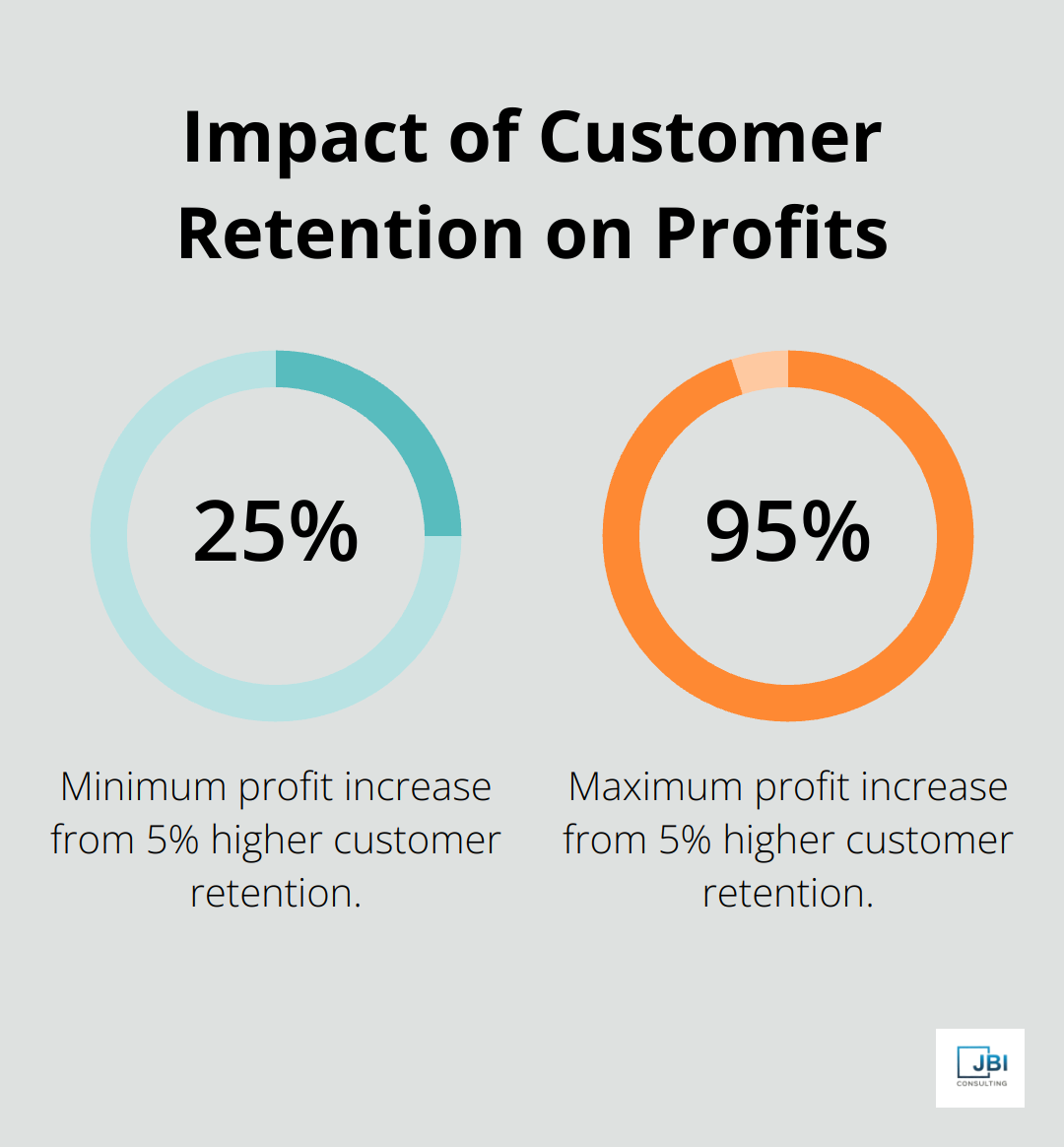
A study by Bain & Company found that increasing customer retention rates by 5% increases profits by 25% to 95%. This statistic underscores the importance of nurturing long-term relationships for business growth.
Anticipate and Solve Problems Proactively
Don’t wait for issues to arise. Take a proactive approach to problem-solving. Regularly assess potential challenges your clients might face and develop solutions before they become problems. This foresight not only prevents issues but also showcases your expertise and dedication.
If you’re in the software industry, anticipate potential security threats and provide preemptive patches. If you’re in consulting, stay ahead of industry trends and alert your clients to upcoming changes that might affect their business.
Embrace Feedback for Continuous Improvement
Feedback provides a goldmine for improvement. Implement a structured feedback system that encourages clients to share their thoughts regularly. This could include quarterly surveys, post-project debriefs, or annual review meetings.
Collecting feedback is only half the battle. The real value comes from acting on it. Create a process for analyzing feedback, implementing changes, and communicating these improvements back to your clients. This closed-loop system shows clients that you value and act upon their input.
Implement a Client Loyalty Program
A well-designed loyalty program can significantly boost client retention. However, in B2B contexts, traditional point-based systems often fall short. Focus on creating a program that offers tangible business value.
Consider offering tiered service levels, priority support, or exclusive access to new products or services. Long-term clients could receive complimentary strategy sessions or first access to beta features. These perks not only reward loyalty but also deepen the business relationship.
The goal is to create a program that aligns with your client‘s business objectives (not just offer generic rewards).
Personalize Your Approach
Every client is unique, and your approach should reflect this. Use your CRM system to track client preferences, past interactions, and key information. This data allows you to customize your communication and services, making each interaction more relevant and valuable.
For example, if a client prefers concise email updates, respect that preference. If another client appreciates in-depth phone conversations, schedule regular calls. This level of personalization (tailored to individual needs) can significantly impact client satisfaction and loyalty.
Final Thoughts
Client engagement best practices form the foundation of sustainable business growth. These strategies create meaningful, long-lasting partnerships with clients that go beyond simple transactions. The long-term benefits of strong client relationships include higher retention rates, increased referrals, and opportunities for upselling, all contributing to a more stable and profitable business.
Implementing these practices requires commitment and consistency from businesses. It involves a fundamental shift in approaching client interactions, not just quick fixes or short-term gains. Companies should assess their current engagement strategies, identify areas for improvement, and gradually implement best practices while keeping client’s needs and preferences at the forefront.
At JBI Consulting, we help businesses transform their sales approach and enhance client relationships. Our transformative program equips you with the tools and strategies to elevate your client engagement. This shift from passive lead nurturing to proactive opportunity hunting positions you to drive significant growth in your business.