
Client engagement is the cornerstone of business success. At JBI Consulting, we’ve seen firsthand how strong client relationships drive growth and loyalty.
In this post, we’ll share practical strategies to improve client engagement and boost your business performance. We’ll also explore how to measure and analyze engagement data, helping you refine your approach for long-term success.
What Is Client Engagement?
Defining Client Engagement
Client engagement represents the ongoing interaction between a business and its clients. We view it as a reciprocal relationship where both parties actively contribute to building a meaningful partnership. This concept transcends simple transactions; it’s about creating a mutually beneficial alliance.
The Business Impact of Strong Client Engagement
Effective client engagement transforms businesses. A Gallup study reveals that companies successfully engaging their B2B customers achieve 63% lower customer attrition. These statistics underscore the tangible benefits of prioritizing client relationships.

Engaged clients often provide valuable feedback, recommend services, and remain loyal in competitive markets. They become partners in your success, frequently leading to increased revenue and long-term stability for your business.
Key Factors Shaping Client Engagement
Several elements influence the strength of client engagement:
Communication: The Foundation
Clear, consistent, and personalized interactions form the bedrock of strong relationships. Personalized marketing ditches the one-size-fits-all approach, using data to tailor messages and offerings to individual customers.
Trust: The Cornerstone
Clients who trust your expertise and integrity engage more deeply with your business. You build this trust through consistent value delivery, operational transparency, and a genuine interest in your client’s success.
Value Beyond Core Services: The Differentiator
The value you provide outside your primary offerings plays a significant role. This could include industry insights, networking opportunities, or innovative solutions to emerging challenges. Consistently exceeding expectations creates a compelling reason for clients to stay engaged with your business.
Understanding these elements of client engagement prepares you to develop effective strategies. In the next section, we’ll explore practical ways to elevate your client engagement efforts and put this knowledge into action.
How to Boost Client Engagement
Personalize Your Communication
One-size-fits-all communication no longer works. Modern clients expect personalized interactions. Start by segmenting your client base according to their needs, industry, or engagement level. Then, craft messages that resonate with each group.
A tech startup might appreciate brief, data-driven updates, while a more traditional business might prefer detailed reports. Use your client’s preferred communication channels (email, phone calls, or face-to-face meetings).
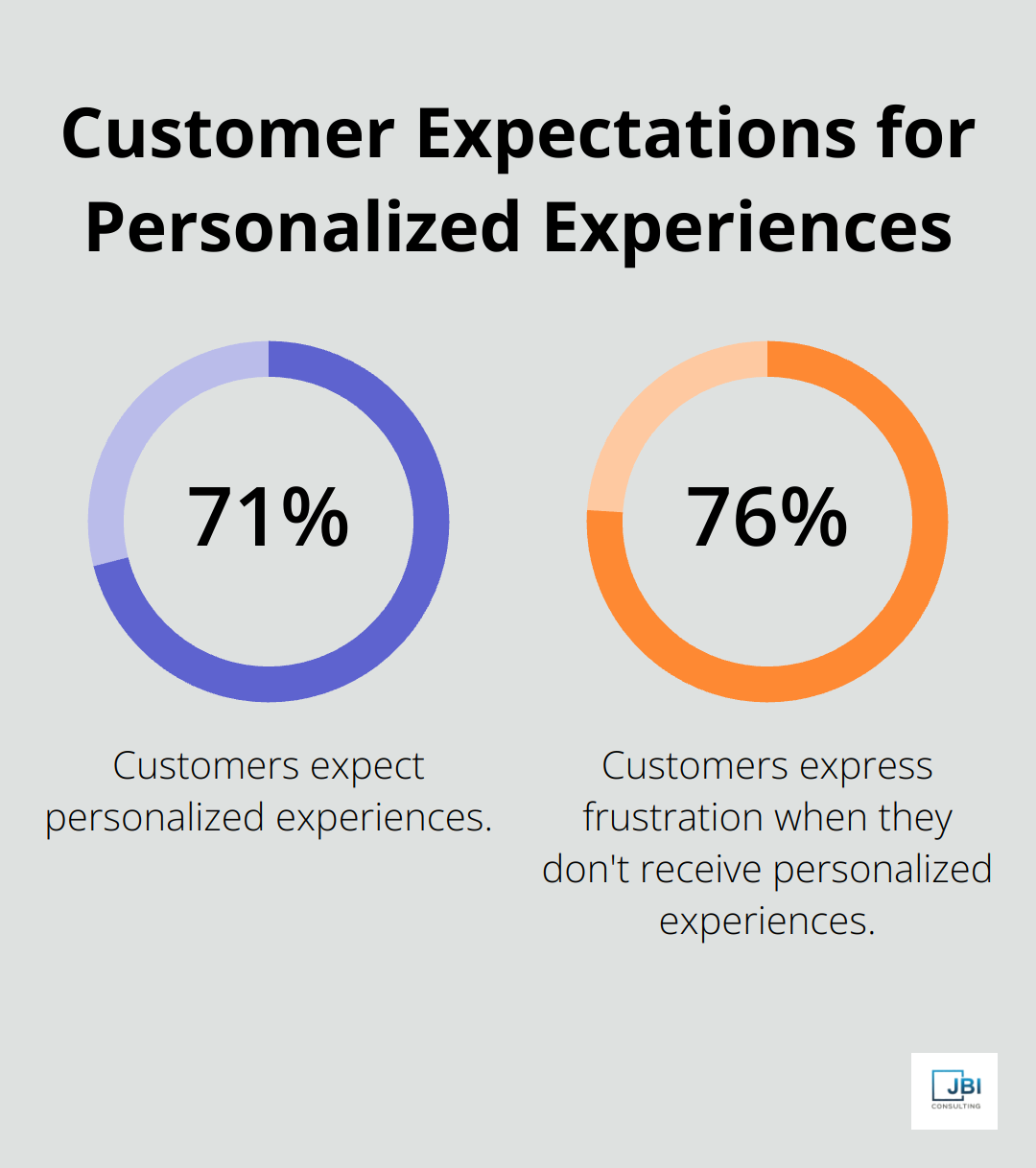
71% of customers expect personalized experiences, with 76% expressing frustration when they don’t receive them. This statistic underscores the importance of tailoring your approach.
Provide Value Beyond Core Services
Don’t just deliver what’s expected – exceed expectations. This could mean sharing industry insights, offering complimentary training sessions, or providing early access to new features or services.
Many successful companies organize exclusive webinars for their clients, featuring industry experts and thought leaders. This not only provides additional value but also positions the company as a trusted partner in their clients’ success.
Create a Robust Feedback System
Client feedback is invaluable. It helps you understand what you’re doing right and where you need to improve. Implement a systematic approach to gathering and acting on client feedback.
This could involve regular surveys, post-project debriefs, or even a client advisory board for your most valuable customers. The key is to not just collect feedback but to act on it visibly. When clients see their input leading to tangible improvements, they feel valued and more engaged.
Leverage Technology for Enhanced Experience
Use technology to streamline and improve client interactions. Customer Relationship Management (CRM) systems can help you track client preferences and history, enabling more personalized service. AI-powered CRM can automate tasks, gain real-time insights, and make data-driven decisions that help you connect with customers more effectively.
Maintain Brand Consistency
A consistent brand experience across all touchpoints reinforces your company’s identity and values. This consistency builds trust and makes your brand more memorable. Ensure that your messaging, visual identity, and customer service standards remain uniform across all platforms and interactions.
Improving client engagement requires consistent effort and a willingness to adapt based on client needs and feedback. The next section will explore how to measure the effectiveness of these strategies and use data to refine your approach.
How to Measure Client Engagement
Key Performance Indicators (KPIs)
Identify the right KPIs for your business. Common metrics include client retention rate, Net Promoter Score (NPS), and Customer Lifetime Value (CLV). Understanding NPS helps you gauge customer loyalty, improve customer experience, and drive growth with insights that go beyond just the score.
The engagement score combines multiple metrics (email open rates, meeting attendance, and product usage) to provide a holistic view of client engagement.
Tracking Tools and Techniques
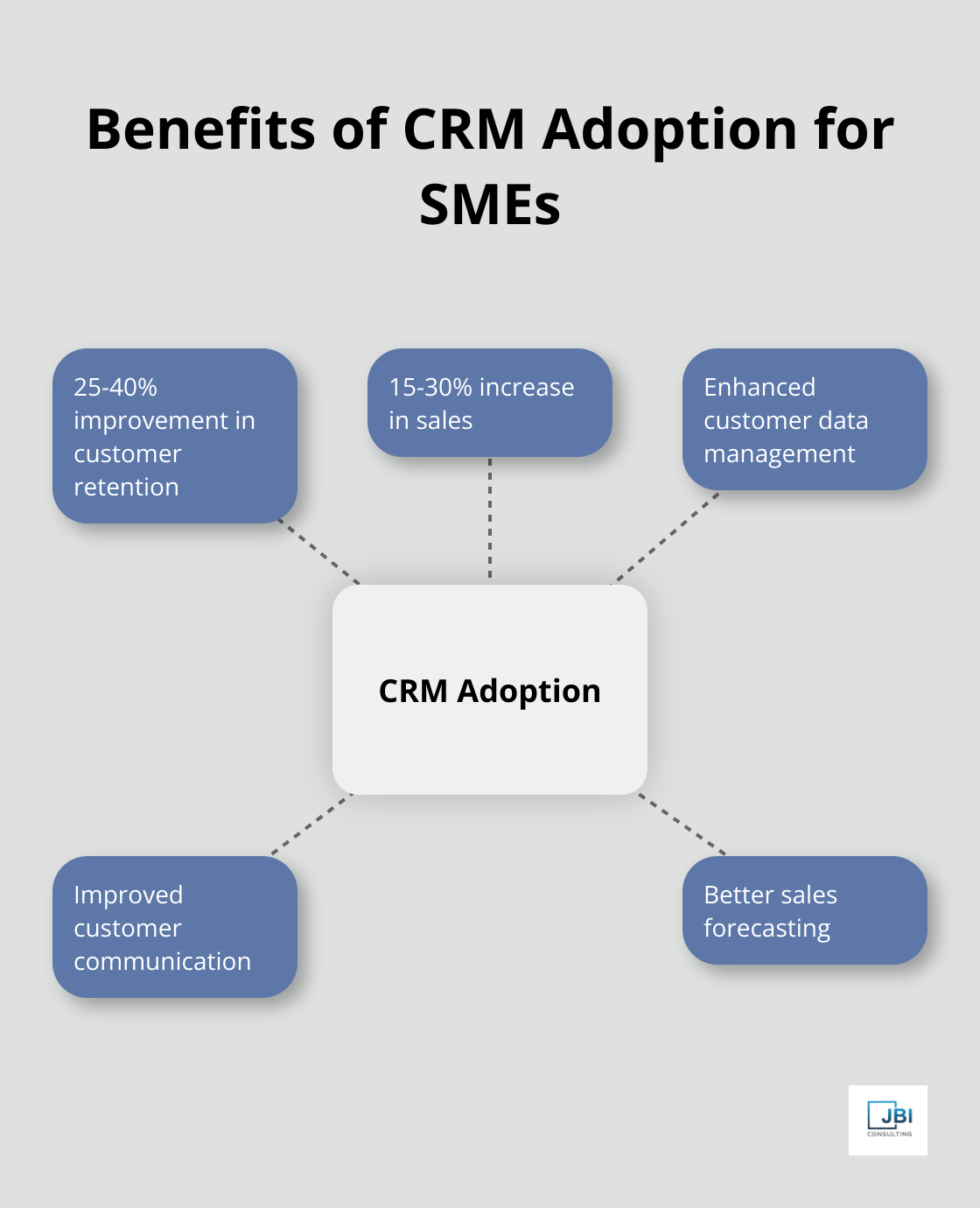
Use technology to streamline your measurement process. Customer Relationship Management (CRM) systems track interactions and engagement levels effectively. Analysis indicates that CRM adoption leads to a 25-40% improvement in customer retention and a 15-30% increase in sales across SMEs.
Social listening tools monitor brand mentions and sentiment across social media platforms. These tools provide insights into client perception and engagement outside direct interactions.
Data Analysis and Interpretation
Raw data requires meaningful interpretation. Establish baselines for each KPI, then track trends over time. Look for correlations between different metrics – for example, how changes in response time affect NPS scores.
Segment your data by client type, industry, or engagement level to uncover patterns. You might find that certain industries have higher engagement rates, which can inform your targeting strategies.
Strategy Refinement
Use your analysis to drive continuous improvement. A decline in email engagement rates should prompt experimentation with different subject lines or content types. A low NPS score might necessitate a thorough examination of customer feedback to identify pain points.
Measuring client engagement is an ongoing process that evolves with your business and client needs. Regular reviews and adjustments ensure your engagement strategies remain effective and aligned with your business goals.
Final Thoughts
Improving client engagement requires dedication, adaptability, and a genuine commitment to your client’s success. You can enhance your client relationships through personalized communication, value-added services, and robust feedback systems. Engaged clients often remain loyal, provide valuable feedback, and become brand advocates, leading to increased revenue and a stronger market position.
JBI Consulting has witnessed how these strategies transform businesses firsthand. Our transformative sales program helps teams shift from passive lead nurturing to proactive opportunity hunting (enhancing client relationships and boosting deal closure rates). You can start improving client engagement today by evaluating your current strategies and identifying areas for improvement.
Small, consistent changes often lead to significant results over time. Your clients will appreciate your efforts to improve engagement, and your bottom line will reflect the positive impact. Take action now to build stronger, more profitable relationships that drive long-term business success.