
Client engagement is the lifeblood of successful sales. It’s not just about closing deals; it’s about building lasting relationships that drive business growth.
At JBI Consulting, we’ve seen firsthand how effective client engagement strategies can increase client engagement and boost sales performance. In this post, we’ll share proven techniques to help you connect with your clients on a deeper level and achieve better results.
What Drives Client Engagement?
The Essence of Client Engagement
Client engagement forms the cornerstone of successful sales strategies. It transcends mere transactions, encompassing the depth and quality of interactions between a company and its clients. Effective engagement creates meaningful connections that foster long-term business relationships.
The Impact of Engaged Clients
Engaged clients propel business growth. They exhibit a higher likelihood of making repeat purchases, providing valuable feedback, and becoming brand advocates. A Gallup survey reveals that companies with highly engaged employees outperform their competitors by 147% in earnings per share.

Sales teams that prioritize client engagement consistently outshine those focused solely on closing deals. These engaged clients evolve from mere buyers into partners in business growth.
Key Metrics for Measuring Client Engagement
To enhance client engagement, effective measurement becomes paramount. Here are some essential metrics to track:
Net Promoter Score (NPS)
NPS gauges the likelihood of clients recommending your products or services to others. This simple yet powerful indicator reflects client satisfaction and loyalty.
Client Retention Rate
This metric showcases the percentage of clients who continue their business relationship with you over time. A high retention rate often signals strong client engagement.
Frequency and Quality of Interactions
Monitor how often your team interacts with clients and the nature of these interactions. Ask yourself: Are these interactions proactive or reactive? Do they add value to the client’s business?
(It’s worth noting that Michael Hinkle’s approach at JBI Consulting emphasizes the importance of proactive, value-driven interactions in building robust client relationships.)
The Role of Technology in Engagement
In today’s digital age, technology plays a pivotal role in client engagement. Customer Relationship Management (CRM) systems, for instance, enable businesses to track interactions, personalize communications, and anticipate client needs.
As we move forward, let’s explore proven techniques that can significantly boost your client engagement and drive your sales performance to new heights.
How to Supercharge Your Client Engagement
Personalize Your Communication
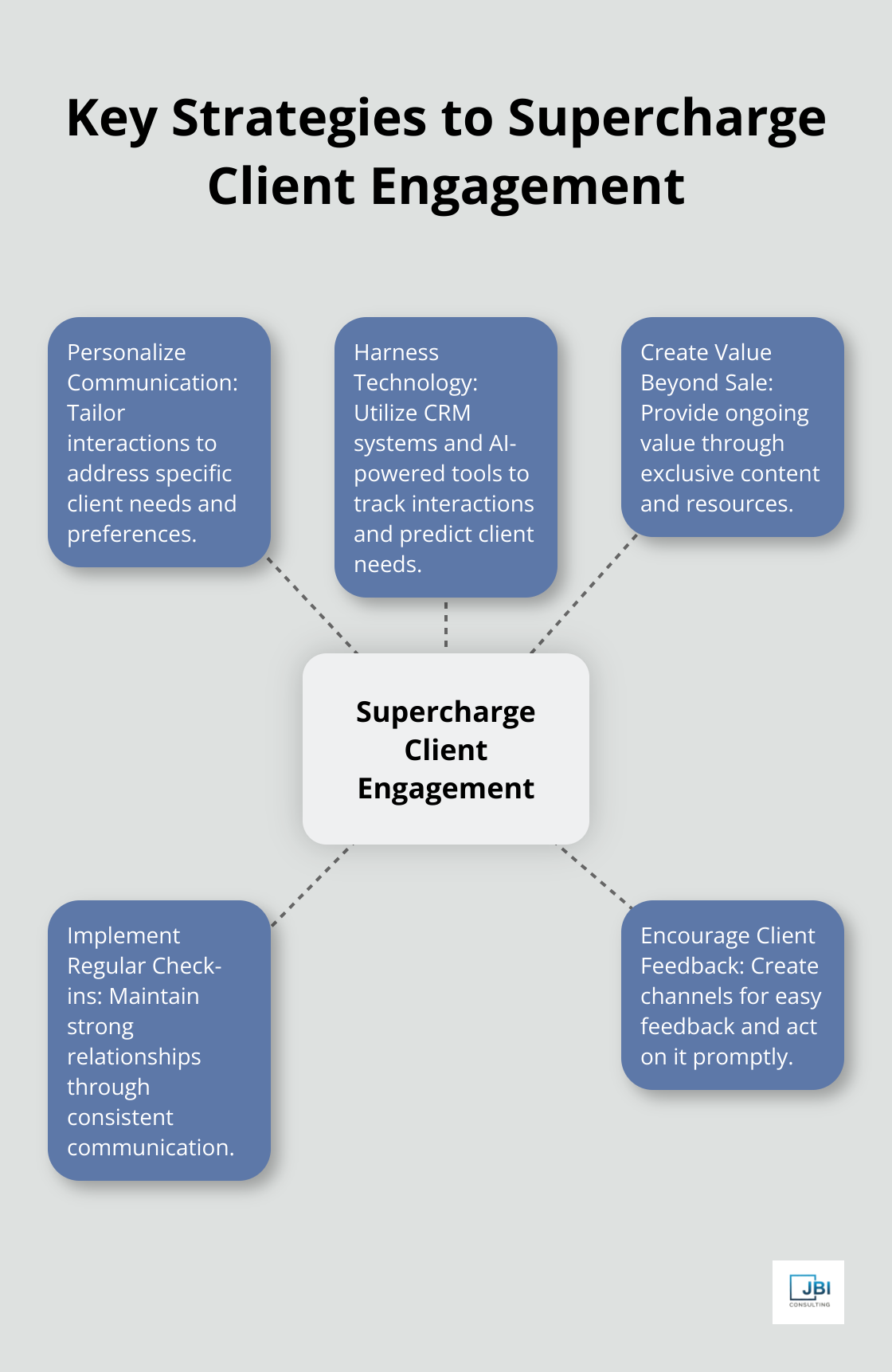
One-size-fits-all communication belongs in the past. Today’s clients expect tailored interactions that address their specific needs and preferences. Key strategies include website personalization, landing page optimization, dynamic CTAs, targeted email campaigns, and personalized digital ads. Utilizing CRM systems can help you segment your client base and craft messages that speak directly to each segment’s unique challenges and goals.
A tech startup might appreciate cutting-edge industry news, while a more established company might value case studies showcasing long-term ROI. Tailoring your communication shows clients that you understand their business and invest in their success.
Harness the Power of Technology
Technology can revolutionize client engagement. Customer Relationship Management (CRM) systems track client interactions and preferences effectively. Some top CRM options include Salesforce Sales Cloud for extensibility, HubSpot for versatility, Zoho CRM for AI features, Pipedrive for ease of use, and Ontraport for automating online businesses. Explore AI-powered chatbots for instant customer service, or use data analytics to predict client needs before they arise.
Some sales teams increase their engagement rates by implementing smart, AI-driven follow-up systems. These tools can automatically send personalized emails based on client behavior, ensuring timely and relevant communication without overwhelming your sales team.
Create Value Beyond the Sale
Engagement doesn’t end when you close the deal. To keep clients coming back, you need to provide ongoing value. This could take the form of exclusive webinars, in-depth white papers, or even personalized consulting sessions.
Try creating a client resource center on your website, filled with helpful guides, industry insights, and best practices. This not only keeps your clients engaged but positions your company as a trusted advisor in your field.
The goal is to become indispensable to your clients’ success. When you consistently provide value, you’re no longer just a vendor – you become a strategic partner.
Implement Regular Check-ins
Regular check-ins with clients (whether monthly, quarterly, or annually) help maintain strong relationships. These meetings allow you to discuss progress, address concerns, and identify new opportunities. They also demonstrate your commitment to the client’s success beyond the initial sale.
Encourage Client Feedback
Create channels for clients to provide feedback easily. This could include surveys, feedback forms, or dedicated feedback sessions. Act on this feedback promptly to show clients that you value their input and are committed to continuous improvement.
Client engagement is an ongoing process that requires consistent effort and innovation. The next section will explore how to overcome common challenges in client engagement, ensuring you’re prepared for any obstacle in your path to sales success.
Social proof in your communication, such as customer testimonials or case studies, can significantly boost conversion rates and strengthen client relationships.
Navigating Client Engagement Hurdles
Turning Objections into Opportunities
Client objections present chances to showcase your value. Listen actively to understand their concerns. If a client questions your pricing, highlight the unique benefits and ROI your solution offers.
The “golden ratio” for sales success was 43% talking to 57% listening. This approach shifts the conversation from cost to value, addressing objections while reinforcing your proposition.
Setting Realistic Expectations
Manage client expectations throughout the sales process. Be transparent about your product or service capabilities. Overpromising leads to disappointment and damaged relationships.
Create a clear roadmap with defined milestones and deliverables at the start of each engagement. This aligns expectations and provides a framework for measuring progress. Regular check-ins ensure alignment and allow for necessary adjustments.
Sustaining Engagement in Long Sales Cycles
B2B sales cycles can extend for months, challenging engagement maintenance. Combat this by providing consistent value throughout the process. Share relevant industry insights, case studies, or personalized content that addresses specific pain points.
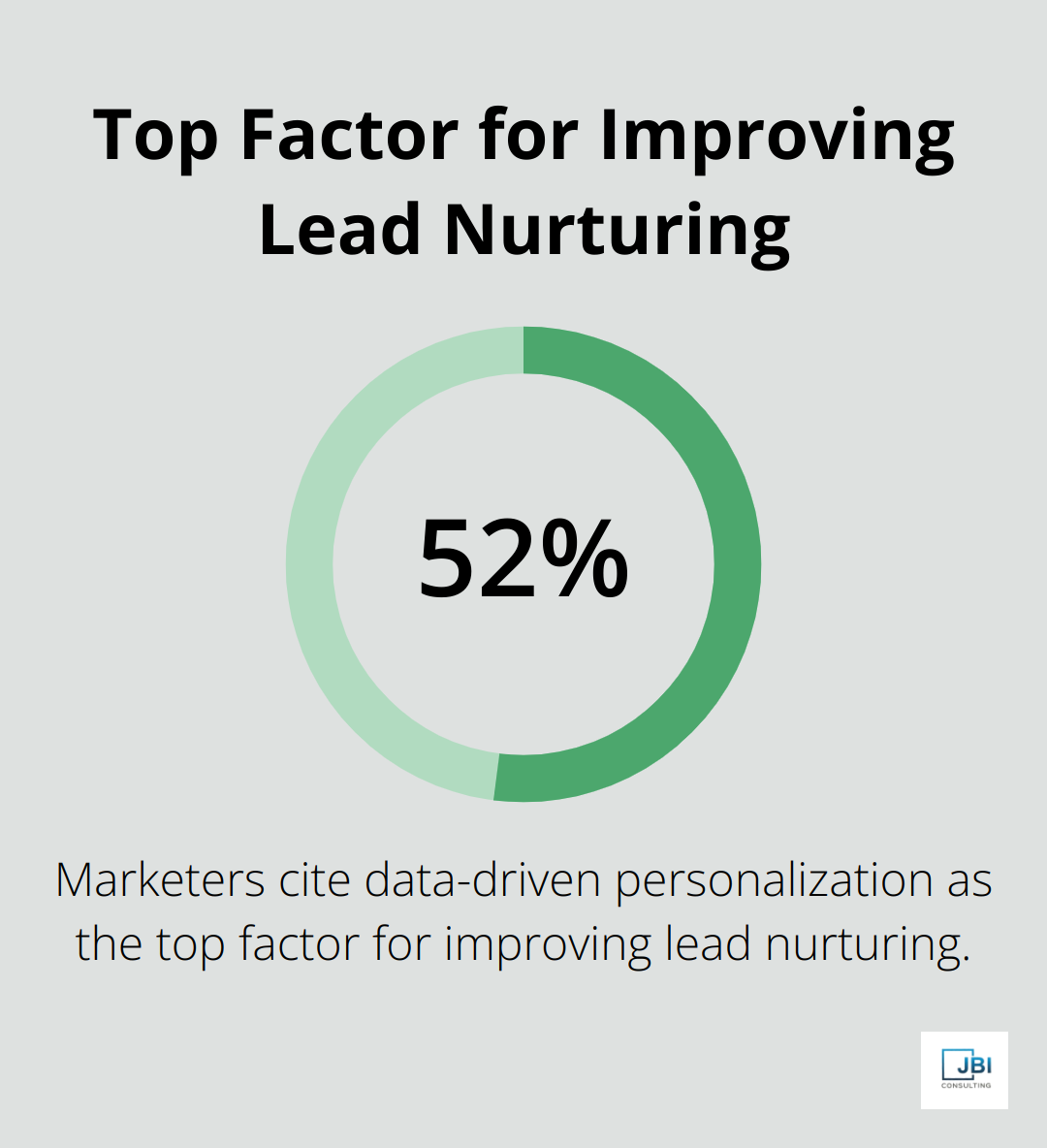
Implement a drip campaign with targeted content at each stage of the buyer’s journey. This keeps your solution top-of-mind without being pushy. 52% of marketers cite data-driven personalization as the top factor for improving lead nurturing.
Dealing with Unresponsive Clients
When clients go silent, avoid bombarding them with follow-ups. Try a more strategic approach. Vary your communication channels – if emails don’t work, try a phone call or a LinkedIn message.
Provide a compelling reason for re-engagement. This could include new industry information, a relevant case study, or an exclusive offer. The goal is to add value, not simply check in.
Consider implementing a “break-up email” strategy as a last resort. This final communication expresses your intent to close their file unless you hear back. (This often prompts a response, either rekindling the engagement or providing closure.)
Leveraging Technology for Engagement
Use Customer Relationship Management (CRM) systems to track client interactions and preferences effectively. Some top CRM options include Salesforce Sales Cloud, HubSpot, Zoho CRM, Pipedrive, and Ontraport. Explore AI-powered chatbots for instant customer service, or use data analytics to predict client needs before they arise.
Final Thoughts
Client engagement stands as a cornerstone of sales success in today’s dynamic business world. Personalized communication, technology leverage, and value-added content creation significantly increase client engagement and drive sustainable growth. Engaged clients become loyal advocates, leading to higher retention rates, increased lifetime value, and a steady stream of referrals.
We at JBI Consulting understand the importance of proactive client engagement strategies. Our approach focuses on tailoring techniques to specific business needs and client bases, ensuring maximum impact and long-term success. Regular strategy reviews and refinements help businesses stay ahead in the competitive landscape.
For those who want to elevate their sales performance, JBI Consulting’s transformative program offers a comprehensive approach to boost client engagement and drive results. This program, led by Michael Hinkle, equips individuals and teams with the necessary tools and mindset to hunt new opportunities and enhance client relationships proactively.