
Market segmentation transforms how businesses connect with their customers. Companies that implement targeted strategies see 10% higher revenue growth compared to those using broad approaches.
We at JBI Consulting have analyzed hundreds of market segmentation strategy examples across industries. The most successful brands don’t just divide their audience-they create personalized experiences that drive measurable results.
Which Segmentation Strategy Drives Real Results
Demographic segmentation provides the most accessible starting point, but smart companies dig deeper. Age groups reveal surface-level preferences, while income brackets show purchasing power. McKinsey research shows 71% of consumers expect personalized experiences, yet most brands still rely on basic age and gender splits. Education levels shape message complexity – financial services that target MBA graduates use different language than those that reach high school graduates. Family status creates distinct patterns: parents of toddlers prioritize safety features, while empty nesters focus on convenience and luxury.

Geographic Targeting Beyond ZIP Codes
Regional preferences vary dramatically within countries. AT&T adapts campaigns to local cultural nuances and generates higher response rates in targeted regions compared to national campaigns. Climate drives seasonal product demand – snow tire marketing works in Minnesota, not Miami. Urban versus rural splits affect everything from delivery expectations to brand associations. McDonald’s menu variations across countries prove geographic adaptation works: vegetarian options in India increased local sales within two years.
Behavioral Data Trumps Demographics
Purchase history predicts future purchases better than age or income. Netflix uses viewing patterns to recommend content and achieves strong engagement rates on suggested titles. RFM analysis (measuring recency, frequency, and monetary value of purchases) segments customers into actionable groups. High-frequency, low-value buyers need different messages than occasional big spenders. Behavioral triggers like cart abandonment or repeat purchases create precise targeting opportunities that demographic data cannot match.
Psychographic Insights Drive Emotional Connections
Values and attitudes shape purchase decisions more than basic demographics suggest. Patagonia targets environmentally conscious consumers regardless of age or income level. Lifestyle preferences reveal why two 35-year-old professionals with identical salaries make completely different brand choices. Personality traits influence communication preferences – introverts respond better to detailed product information, while extroverts prefer social proof and testimonials.
The most successful companies combine multiple approaches rather than rely on single methods. This integrated strategy sets the foundation for examining specific brand examples that demonstrate these principles in action. Effective marketing strategies require understanding how different segmentation approaches work together to create comprehensive customer profiles.
How Top Brands Execute Perfect Segmentation
Nike’s Performance-Based Customer Categories
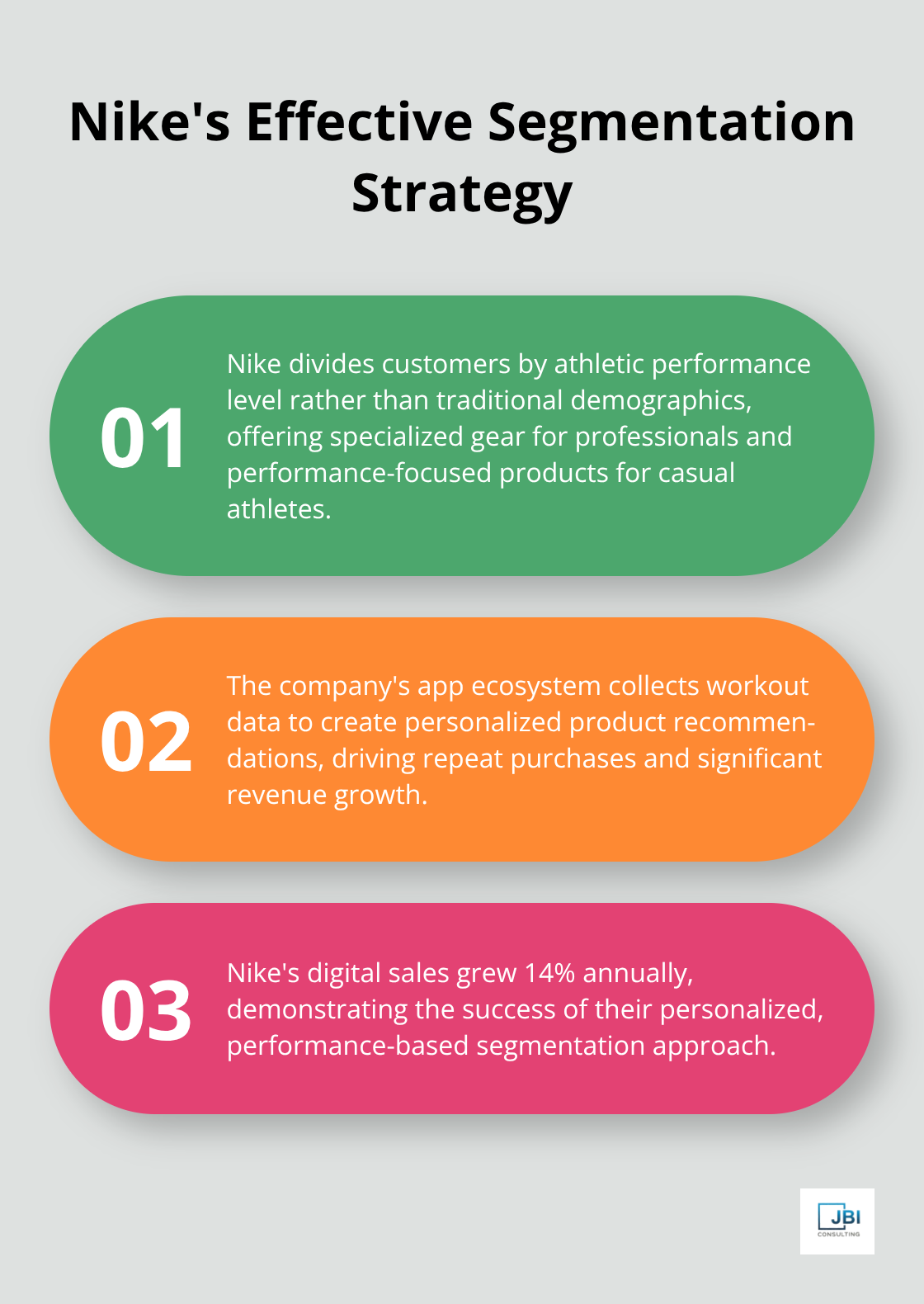
Nike divides customers by athletic performance level rather than traditional demographics. Professional athletes receive specialized gear through Nike Pro partnerships, while weekend warriors access performance-focused products at reasonable price points. The company tracks purchase patterns across running, basketball, and training categories to identify cross-selling opportunities.
Nike’s app ecosystem collects workout data and creates personalized product recommendations that drive repeat purchases. This approach generated significant revenue growth, with digital sales that grew 14% annually. Nike targets serious runners with premium React technology while it positions Air Force 1 sneakers for lifestyle consumers who prioritize fashion over performance.
Coca-Cola’s Regional Flavor Adaptations
Coca-Cola adapts products to local taste preferences across 200 countries and territories. The company launched Coca-Cola Energy in select European markets before global rollout to test regional acceptance rates. In Japan, Coca-Cola offers over 50 different beverages that include green tea variants.
The brand uses geographic data to optimize distribution schedules. Coca-Cola ships more Powerade to southern US states during summer months and increases sales by 15% compared to uniform distribution. The Share a Coke campaign personalized bottles with local names in each market and generated 2% global sales growth plus 7% consumption increase among millennials.
Apple’s Premium Positioning Strategy
Apple segments customers through product tiers that match lifestyle aspirations and spending capacity. The iPhone SE targets price-conscious consumers while iPhone Pro Max appeals to technology enthusiasts who pay premium prices. MacBook Air attracts students and casual users, while MacBook Pro targets creative professionals and business executives.
Apple’s ecosystem strategy locks customers into multiple product purchases. AirPods sales increase 40% among iPhone users compared to Android switchers. The company uses behavioral data from App Store purchases to identify high-value customers for targeted marketing strategies of premium accessories and services.
These successful examples reveal common patterns, but many companies still make fundamental errors that undermine their segmentation efforts.
What Kills Your Segmentation Strategy
Most companies sabotage their segmentation efforts through three critical errors that waste marketing budgets and alienate customers. Companies that create too many micro-segments paralyze decision-making and spread resources thin across unprofitable groups. A retail chain created 47 customer segments, which resulted in confused messaging and a 23% decrease in campaign effectiveness. Segments need sufficient size to justify separate marketing campaigns – groups smaller than 5% of your customer base rarely generate positive ROI.
Data Blindness Destroys Targeting Precision
Companies that ignore behavioral analytics miss significant revenue opportunities. Purchase history reveals customer patterns that demographics cannot predict. A subscription service increased retention rates by 34% when they stopped targeting by age groups and started focusing on usage frequency instead. Geographic assumptions fail when online behavior contradicts location data. Urban professionals often shop like suburban families when they work from home.
Customer service interactions provide segmentation gold mines that most brands completely ignore. Complaint patterns, support ticket frequency, and resolution satisfaction scores create actionable segments that drive immediate improvements. Companies lose valuable insights when they focus only on purchase data while they ignore service touchpoints.
Testing Failures Cost Real Money
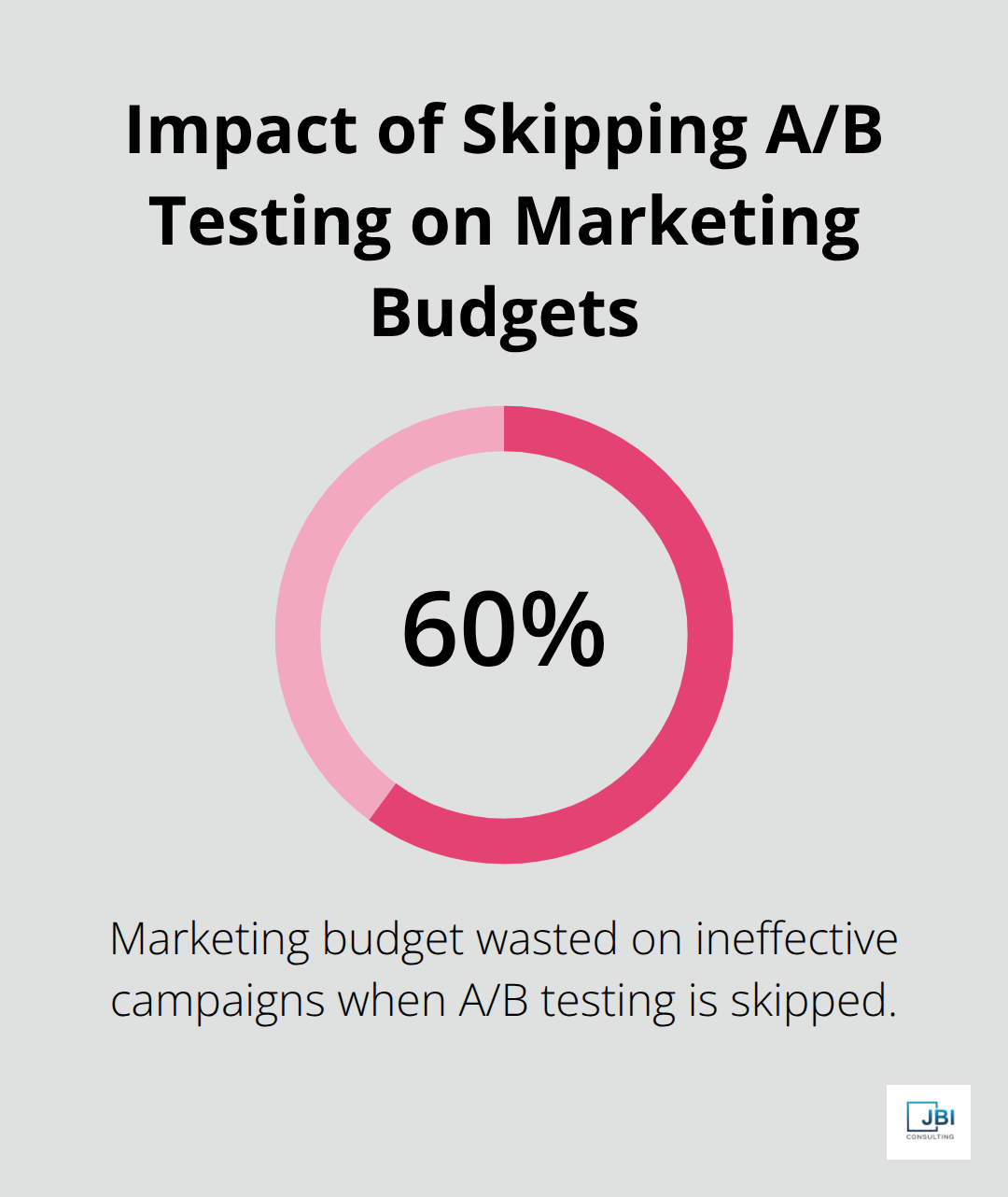
Companies that skip A/B testing their segments waste 60% of their marketing budgets on ineffective campaigns. One financial services firm discovered their premium segment responded better to email than direct mail, saving $2.3 million annually in postage costs alone. Testing reveals when segments overlap or when messaging appeals to wrong groups.
Seasonal testing prevents year-round campaign disasters – holiday messaging that works in December often fails miserably in March. Split testing different value propositions within segments identifies which benefits actually drive purchases versus which ones marketers assume matter. Most companies test creative elements but ignore segment validity, which leads to polished campaigns that target the wrong people entirely.
Final Thoughts
Successful market segmentation strategy examples from Nike, Coca-Cola, and Apple prove that targeted approaches generate measurable revenue growth. Nike’s performance-based categories drove 14% digital sales growth, while Coca-Cola’s regional adaptations increased summer sales by 15%. Apple’s tiered ecosystem strategy boosted AirPods sales by 40% among iPhone users.
The most effective companies combine demographic, geographic, behavioral, and psychographic data rather than rely on single methods. They avoid over-segmentation, use behavioral analytics over assumptions, and test segment validity before campaign launches. Companies that implement comprehensive segmentation see 10% higher revenue growth compared to broad targeting approaches (McKinsey research confirms this advantage).
We at JBI Consulting help businesses transform their sales approach through proven methodologies that enhance client relationships and boost deal closure rates. Our program shifts teams from lead nurturing to proactive opportunity hunting. This creates sustainable growth through targeted customer acquisition strategies.