
Sales prospecting is the lifeblood of any successful business. Without a steady stream of new leads, even the most talented sales teams can struggle to meet their targets.
At JBI Consulting, we’ve seen firsthand how effective sales prospecting strategies can transform a company’s bottom line. In this post, we’ll share our top techniques for finding and engaging potential customers, helping you boost your sales pipeline and close more deals.
How Social Media Boosts Your Sales Prospecting
Social media has transformed the way businesses connect with potential clients. Let’s explore how you can use these platforms to supercharge your sales prospecting efforts.
LinkedIn: Your Professional Goldmine
LinkedIn stands out as the premier platform for B2B prospecting. Start by optimizing your profile – it’s your digital business card. Include a professional photo, a compelling headline, and a summary that showcases your expertise.
Use LinkedIn’s advanced search features to find decision-makers in your target companies. Don’t just connect and pitch – engage with their content first. Comment on their posts, share relevant insights, and build a relationship before you make your move.
LinkedIn’s own data shows that sales reps who regularly share content are 45% more likely to exceed quota. Post valuable content consistently to establish yourself as an industry expert.
Twitter and Facebook: Engage and Listen
While LinkedIn dominates B2B, Twitter and Facebook offer unique opportunities to engage with prospects in a more casual setting.
On Twitter, follow industry hashtags and join relevant conversations. Share valuable insights and respond to queries in your field. This positions you as a helpful resource rather than a pushy salesperson.
Facebook groups can be goldmines for niche industries. Join groups where your target audience hangs out and contribute meaningfully to discussions. The goal is to build relationships, not to spam with sales pitches.
Social Listening: Your Secret Weapon
Social listening tools can give you a competitive edge. These tools allow you to monitor mentions of your brand, competitors, or industry keywords across multiple platforms.
Use these insights to identify pain points your prospects discuss. Then, reach out with tailored solutions. For example, if you notice a trend of complaints about a competitor’s product, you can position your offering as the solution they’ve been seeking.
Ad spending on social media is expected to grow by 9.37% each year from 2025 to 2030. Social media ads account for 3 in every 10 dollars spent on digital advertising.

Social media prospecting requires patience and consistency. It’s not about quick wins, but about building a network, establishing trust, and positioning yourself as a valuable resource. With time, you’ll see your social media efforts translate into tangible sales results.
Now that we’ve covered how to leverage social media for sales prospecting, let’s move on to another powerful strategy: mastering cold outreach techniques. These methods will complement your social media efforts and help you reach prospects through multiple channels.
How to Master Cold Outreach
Cold outreach remains a powerful tool in the sales prospector’s arsenal. When executed effectively, it opens doors to new opportunities and relationships. Let’s explore how to refine cold outreach techniques to maximize results.
Craft Emails That Get Opened
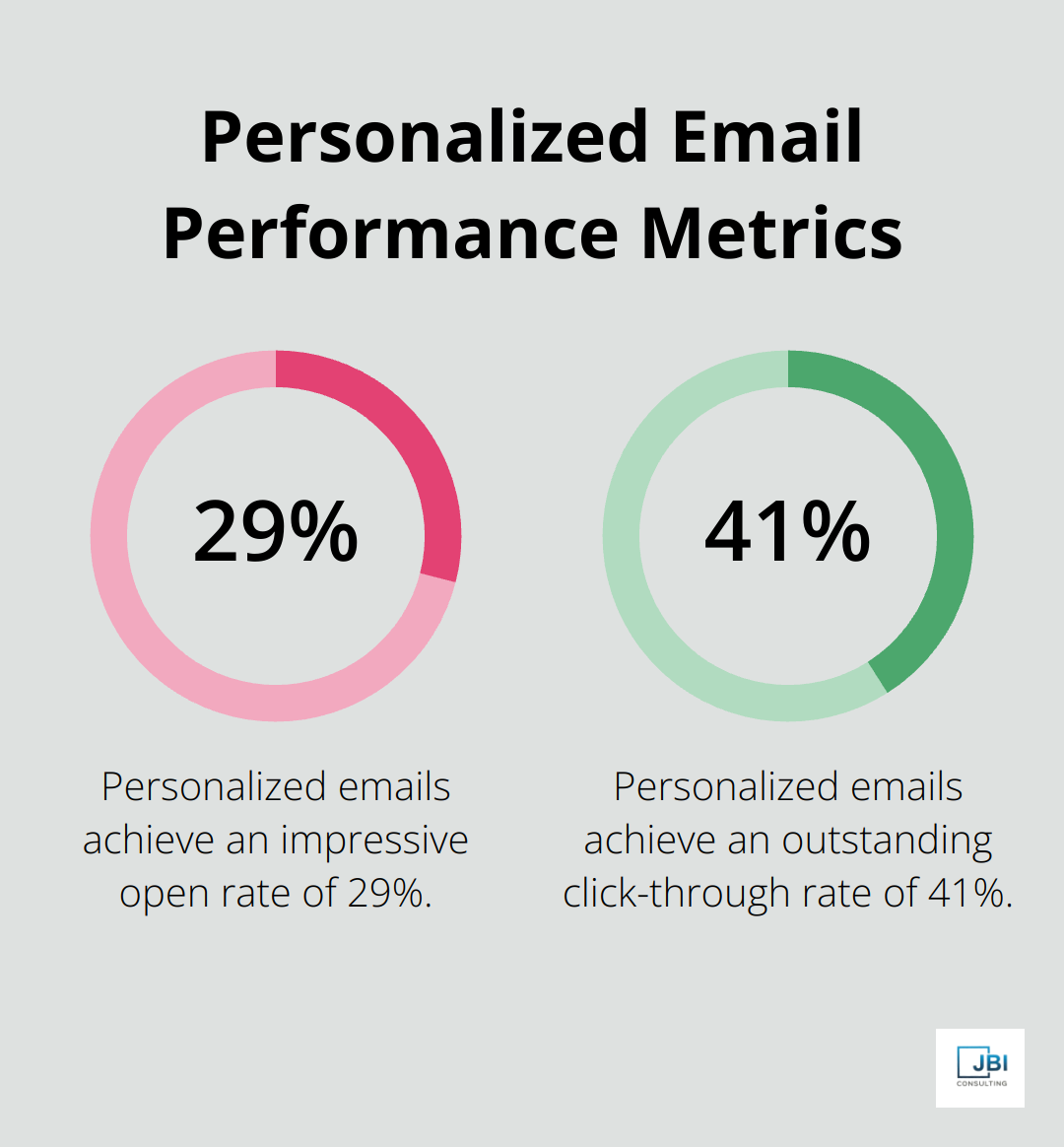
The success of email outreach hinges on personalization and value proposition. Personalized emails achieve an impressive open rate of 29% and an outstanding click-through rate of 41%.
Start with a compelling subject line. Keep it short, specific, and intriguing. For example, “Quick question about [specific pain point]” can pique curiosity.
In the body, lead with a personalized opener that demonstrates thorough research. Mention a recent company achievement or a shared connection. Then, quickly address the point. Explain how you can solve a specific problem for them, supported by concrete results or case studies.
End with a clear, low-commitment call-to-action. Instead of pushing for a meeting, ask if they’d be interested in receiving more information on the topic.
Make Cold Calls That Convert
Despite the digital age, cold calling remains effective. In fact, 82% of buyers accept meetings at least occasionally with sellers who reach out to them. The key lies in a strategic approach.
Before dialing, research your prospect thoroughly. Use this information to create a personalized opening that grabs attention. For instance, “Hi [Name], I noticed your company recently expanded into [new market]. Many of our clients in similar situations have struggled with [specific challenge]. Is this something you’re experiencing?”
Keep your script flexible. While having talking points is important, sounding robotic will lose interest quickly. Listen actively and adapt your conversation based on their responses.
The goal of a cold call isn’t always to close a deal. Often, it’s to secure the next step – be it a follow-up email, a product demo, or a face-to-face meeting.
Implement a Multi-Touch Approach
No single outreach method works for everyone. That’s why a multi-channel approach is essential. Studies show it takes an average of 8 touches to get an initial meeting with a new prospect.
Start with a personalized email, followed by a LinkedIn connection request. If no response, try a phone call. Then, engage with their content on social media. Mix in direct mail for high-value prospects – a physical piece of mail can stand out in today’s digital-heavy world.
Space these touches out over time. Be persistent, but not pushy. Each interaction should provide value, whether it’s sharing relevant industry insights or addressing specific pain points.
Cold outreach, when done thoughtfully and strategically, can yield impressive results. It’s not about casting the widest net, but about targeting the right prospects with the right message at the right time (and at the right frequency).
Now that we’ve covered cold outreach techniques, let’s move on to another powerful strategy: harnessing the power of referrals. This method complements your cold outreach efforts and helps you tap into warm leads through trusted connections.
How to Leverage Referrals for Sales Success
The Power of Referrals
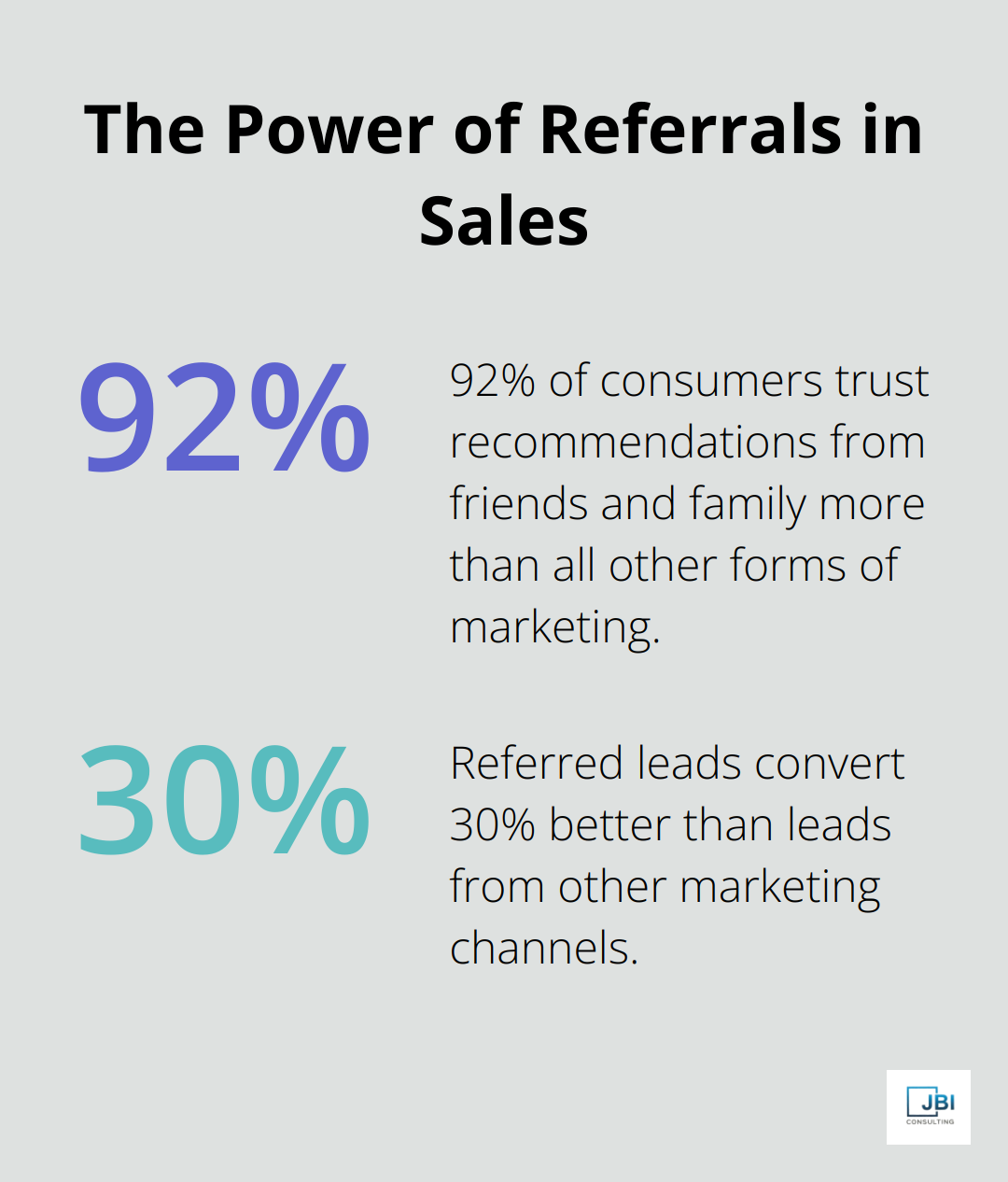
Referrals are the golden tickets of sales prospecting. They come with built-in trust, which translates into faster sales cycles and higher conversion rates. 92% of consumers trust recommendations from friends and family more than all other forms of marketing. Referred leads convert 30% better than leads from other marketing channels, making them a valuable asset for any sales improvement strategy.
Build a Strong Referral Network
Start with your existing customer base. Identify your most satisfied clients and reach out to them personally. Ask if they know anyone who might benefit from your services. Be specific about the type of clients you seek to increase the quality of referrals.
Don’t limit yourself to customers. Partners, vendors, and even competitors can be valuable sources of referrals. Attend industry events and join professional associations to expand your network. Referrals often work both ways, so prepare to reciprocate.
Create an Effective Referral Program
While many satisfied customers happily refer you, a little incentive can significantly boost referrals. Create a formal referral program with clear benefits. This could include:
- Discounts on future purchases
- Cash rewards
- Exclusive access to new products or services
Ensure your incentives align with your business model and target audience. For high-value B2B sales, consider offering a percentage of the first year’s contract value as a referral fee. For B2C businesses, a simple points system or tiered rewards program can prove effective.
Master the Art of Follow-Up
A referral’s value lies in your follow-up. When you receive a referral, act quickly. Contact the referred lead within 24 hours to show you value the referral and respect everyone’s time.
When reaching out to the referred lead, mention the mutual connection immediately. This establishes credibility and sets a positive tone for the conversation. Tailor your approach based on any information provided by the referrer about the lead’s needs or interests.
Keep the referrer informed. Let them know you’ve made contact and thank them again for the referral. If the referral results in a sale, send a handwritten thank-you note or a small gift to show your appreciation.
A robust referral strategy requires time and effort, but the results justify the investment. Customers referred by others have a 16% higher lifetime value, making them more profitable over the long term. Focus on building relationships, providing value, and consistently delivering excellent service to create a network of advocates eager to recommend your business.
Final Thoughts
This post explored powerful sales prospecting strategies to boost business success. We discussed leveraging social media platforms, mastering cold outreach techniques, and harnessing the power of referrals. These methods form a comprehensive approach to find and engage potential customers.
Effective sales prospecting requires continual refinement and adaptation as market conditions change and new technologies emerge. We at JBI Consulting understand the complexities of modern sales prospecting. Our transformative sales program helps individuals and teams shift from passive lead nurturing to proactive opportunity hunting.
Implement these sales prospecting strategies and watch your sales pipeline grow. You’ll expand your customer base, increase your revenue, and achieve lasting sales success. Start putting these techniques into practice today to see real results in your business.