
Client engagement is the cornerstone of business success. At JBI Consulting, we’ve seen firsthand how strong client relationships drive growth and loyalty.
The importance of client engagement cannot be overstated. This blog post will explore practical strategies to boost engagement and overcome common challenges, helping you build lasting connections with your clients.
What Drives Client Engagement?
Defining Client Engagement
Client engagement transcends regular communication. It encompasses the creation of meaningful interactions that build trust, loyalty, and mutual growth. We define client engagement as the ongoing, proactive effort to understand and meet client needs, exceed expectations, and establish lasting partnerships.
The Business Impact of Strong Client Relationships
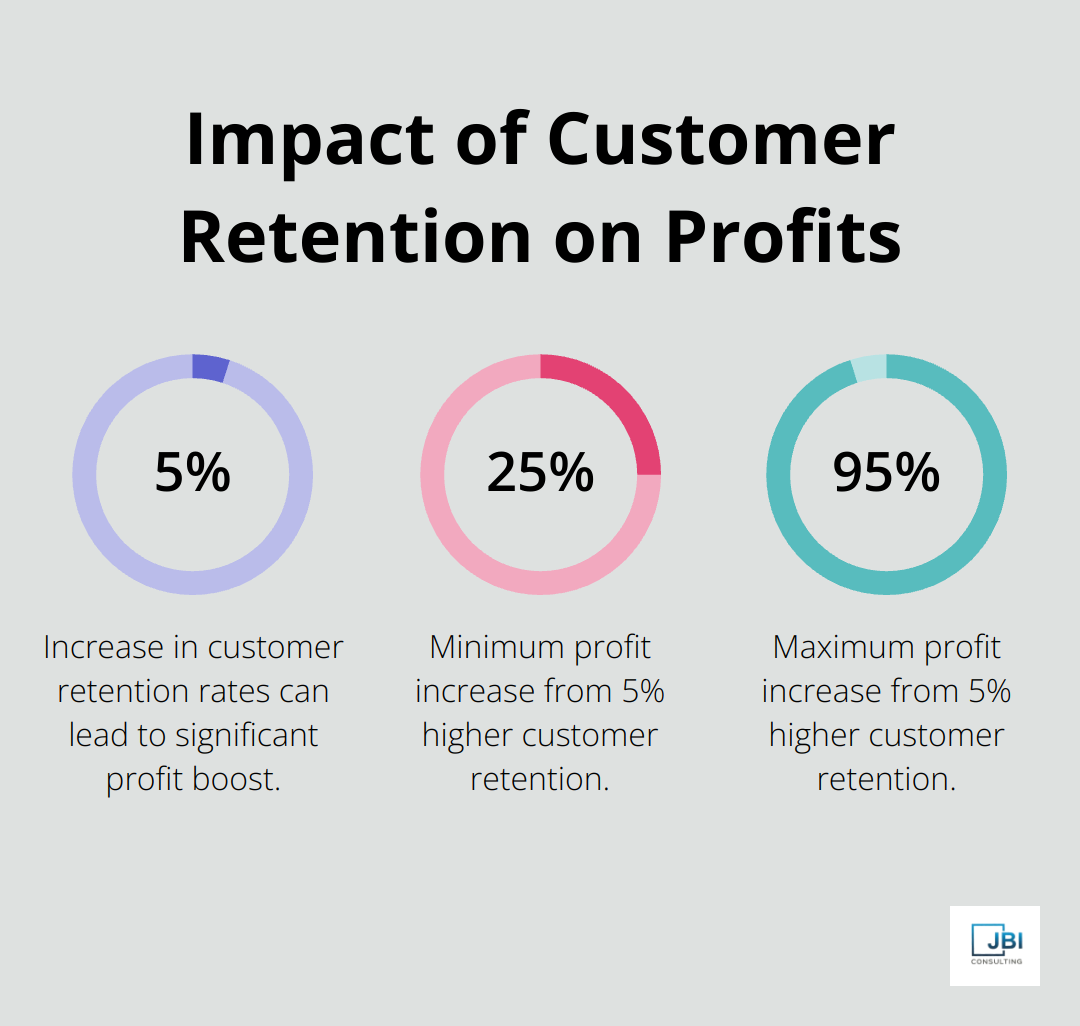
Effective client engagement directly impacts your bottom line. A study by Bain & Company reveals that a mere 5% increase in customer retention rates can boost profits by 25% to 95%. This statistic underscores the immense value of nurturing existing client relationships.
Engaged clients often transform into brand advocates. Nielsen reports that 92% of consumers trust recommendations from friends and family over all other forms of advertising. The cultivation of strong client relationships not only retains business but also creates a powerful marketing force.
Key Metrics to Track Client Engagement
To improve client engagement, you must measure it. Here are some essential metrics we recommend tracking:
- Net Promoter Score (NPS): This metric measures how likely clients are to recommend your services. A high NPS indicates strong engagement and satisfaction.
- Client Retention Rate: Calculate the percentage of clients who continue to use your services over a specific period. Higher retention rates often correlate with better engagement.
- Frequency of Interactions: Monitor how often clients reach out or respond to your communications. More frequent, positive interactions typically signal higher engagement.
- Average Revenue Per Client: Engaged clients often invest more in your services. Track this metric to gauge the financial impact of your engagement efforts.
- Client Feedback and Sentiment: Use surveys and sentiment analysis tools to gather qualitative data on client satisfaction and engagement levels.
The Role of Technology in Client Engagement
Technology plays a pivotal role in enhancing client engagement. Customer Relationship Management (CRM) systems allow businesses to build stronger customer relationships, improve retention, and scale with confidence. AI-powered chatbots provide instant responses to client queries, with studies showing that AI can help human agents respond to chats 20 percent faster, improving performance even more for less experienced agents.
Social media platforms offer opportunities for real-time engagement and community building. These tools (when used strategically) can significantly boost client engagement and foster stronger relationships.
Creating a Client-Centric Culture
A client-centric culture forms the foundation of successful client engagement. This involves aligning your entire organization around the goal of delivering exceptional client experiences. From the C-suite to front-line employees, everyone should prioritize client satisfaction and engagement.
Regular training sessions can help employees develop the skills needed to engage clients effectively. Encourage open communication and empower your team to make decisions that benefit clients. This approach will lead to more authentic and meaningful client interactions.
As we move forward, let’s explore specific strategies that can take your client engagement to new heights and drive business success.
How to Supercharge Your Client Engagement
At JBI Consulting, we’ve refined our client engagement strategies through years of experience. Here are some powerful tactics that can transform your client relationships:
Personalize Your Communication
Generic communication no longer cuts it. Businesses that personalize their interactions see remarkable results. Start by segmenting your client base according to their needs, preferences, and behaviors. Then, craft messages that resonate with each group.
Research from Epsilon indicates that 80% of consumers are more likely to make a purchase when brands offer personalized experiences. This could mean addressing clients by name in emails, referencing their past interactions, or sending content relevant to their specific industry challenges.

Provide Value Beyond Your Core Offering
Strengthening client relationships often involves going above and beyond. This could include sharing industry insights, offering complimentary training sessions, or connecting clients with valuable resources.
American Express exemplifies this approach by providing its cardholders with exclusive access to concert tickets and events. This added value keeps clients engaged and loyal, even in a competitive market.
Implement a Robust Feedback Loop
Regular client feedback is essential. Solicit input through surveys, one-on-one conversations, or focus groups. But don’t stop there – act on the insights you gather.
Zappos, known for its exceptional customer service, encourages customers to provide feedback after every interaction. They use this information to continuously improve their processes and train their staff.
Use Technology Strategically
While technology is a powerful tool, it’s important to use it wisely. CRM systems can help you track client interactions and preferences, enabling more personalized engagement. AI-powered chatbots can provide instant responses to client queries, improving response times and satisfaction.
However, technology should enhance, not replace, human interaction. A study by PwC found that 75% of consumers want more human interaction in the future, not less. Use technology to support your team, not to substitute them.
Create a Client-Centric Culture
Perhaps the most impactful strategy is to foster a client-centric culture. This involves aligning your entire organization around the goal of delivering exceptional client experiences.
It starts with leadership setting the tone and extends to every employee interaction. Regular training sessions, open communication channels, and empowering employees to make decisions that benefit clients all contribute to this culture.
While these strategies can significantly boost client engagement, challenges often arise in their implementation. In the next section, we’ll address common obstacles and provide practical solutions to overcome them.
Navigating Client Engagement Hurdles
Reviving Unresponsive Clients
When clients go silent, a strategic re-engagement plan proves more effective than bombarding them with messages. We recommend this approach:
- Analyze past interactions to identify potential issues.
- Craft a personalized message that addresses specific needs or concerns.
- Offer something of value (e.g., an industry insight or a free consultation).
- Try a different communication channel if there’s still no response.
A Salesforce study found that 82% of service pros say that customers ask for more than they used to. This statistic underscores the importance of thoughtful, value-driven re-engagement efforts.
Setting Realistic Expectations
Misaligned expectations often lead to disappointment. To prevent this, follow a clear process:
- Conduct thorough discovery calls to understand client needs and goals.
- Clearly outline deliverables and timelines.
- Document agreements and share them with clients.
- Provide regular updates on progress and potential roadblocks.
A PwC report reveals that 32% of customers would stop doing business with a brand they loved after just one bad experience. This fact highlights the importance of setting and managing expectations effectively.
Maintaining Engagement Consistency
Consistency in client engagement can become challenging as your business grows. Implement these strategies to maintain high-quality interactions:
- Develop standardized processes for client communication.
- Use CRM systems to track interactions and set follow-up reminders.
- Create content calendars to ensure regular, valuable touchpoints.
- Conduct regular team training on engagement best practices.
Companies with strong omnichannel customer engagement strategies retain an average of 89% of their customers, compared to 33% for companies with weak omnichannel strategies (Aberdeen Group study).

Balancing Automation and Personal Touch
While automation enhances efficiency, it’s important not to lose the human element. Strike this balance by:
- Using automation for routine tasks (appointment reminders, basic inquiries).
- Personalizing automated messages with client-specific information.
- Ensuring human intervention for complex issues or sensitive conversations.
- Regularly reviewing and updating automated processes based on client feedback.
Research shows that e-commerce personalization is a top trend for 2025, emphasizing the importance of using technology to enhance (not replace) personal interactions.
Addressing Cultural Differences
In today’s global business landscape, cultural sensitivity plays a key role in client engagement. Try these approaches:
- Research and understand the cultural norms of your clients’ regions.
- Adapt your communication style to suit different cultural preferences.
- Be mindful of time zones and cultural holidays when scheduling meetings.
- Provide cultural training to your team to improve cross-cultural interactions.
A study by the Harvard Business Review found that companies with above-average diversity had 19% higher innovation revenues. This finding suggests that embracing cultural differences can lead to more innovative and effective client engagement strategies.
Final Thoughts
Client engagement forms the foundation of business success. Companies that prioritize client relationships experience higher retention rates, increased customer lifetime value, and a stronger brand reputation. Engaged clients transform into brand advocates, driving organic growth through recommendations and providing valuable feedback for continuous improvement.
The importance of client engagement cannot be overstated. Businesses must assess their current client relationships, identify areas for improvement, and prioritize actions with the most significant impact. Regular review and refinement of engagement strategies based on client feedback and market dynamics will ensure continued success.
JBI Consulting understands the challenges of elevating client engagement. Our transformative sales program helps individuals and teams shift from nurturing existing leads to proactively hunting new opportunities. With over two decades of experience, we offer strategies to enhance client relationships, refine sales skills, and boost deal closure rates.