
At JBI Consulting, we know that a high-performance client engagement team is the backbone of any successful business. These teams drive growth, boost customer retention, and ultimately shape the company’s future.
In this post, we’ll explore the key strategies for building and nurturing a top-notch client engagement team. We’ll cover everything from hiring the right talent to leveraging cutting-edge tools and technologies.
What Makes a Client Engagement Team Successful?
The DNA of Successful Client Engagement
Successful client engagement teams possess several key traits. They anticipate client needs proactively. They communicate complex ideas with clarity and translate them into actionable insights. These teams demonstrate deep empathy, truly understanding the challenges their clients face.
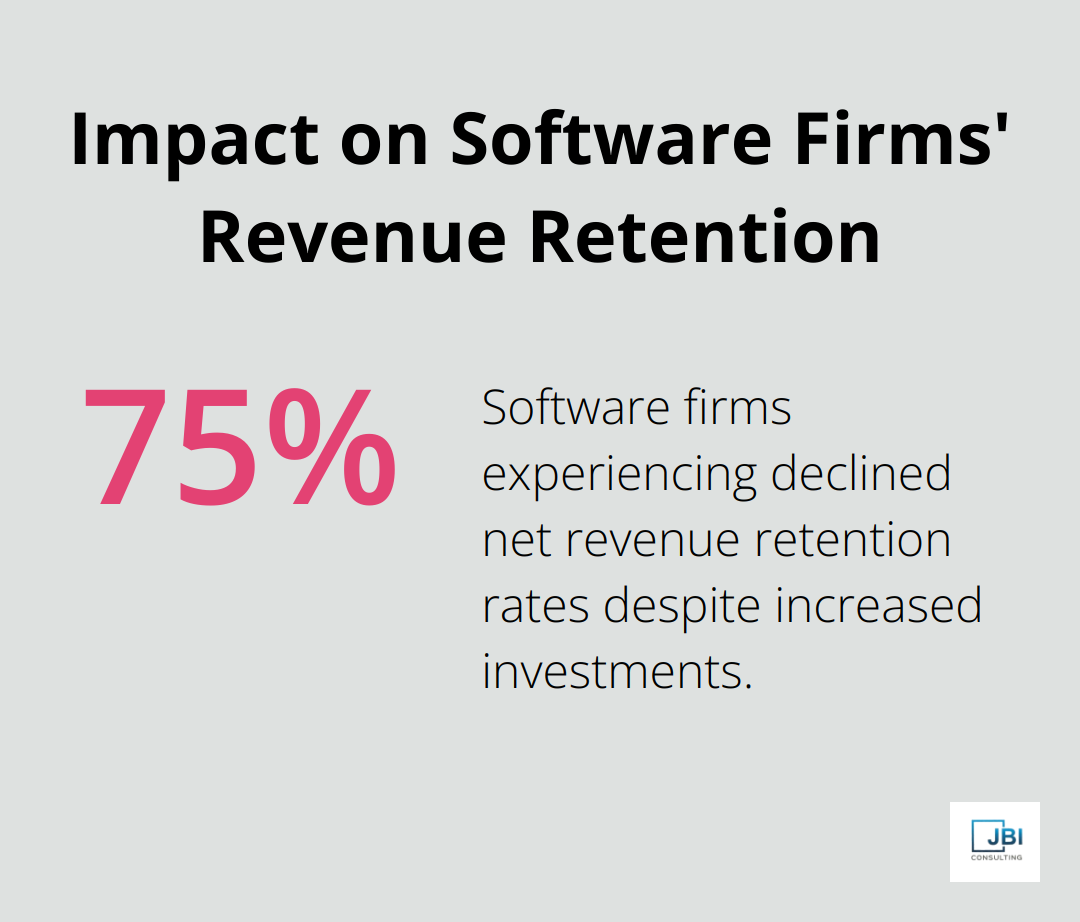
A recent Bain survey found that despite increased customer success investments, net revenue retention rates have declined for 75% of software firms. This statistic underscores the importance of effective client engagement strategies.
Measuring Success in Client Engagement
To build a high-performance team, you must define success metrics. Several key performance indicators (KPIs) stand out:
- Net Promoter Score (NPS): This metric measures client likelihood to recommend your services. A high NPS indicates strong client satisfaction and loyalty.
- Customer Lifetime Value (CLV): CLV helps you understand the long-term value of client relationships. Teams that increase CLV drive real business growth.
- Retention Rate: This metric tracks the percentage of clients who continue to use your services year after year. A high retention rate signifies a strong client engagement team.
- Upsell and Cross-sell Success: Top client engagement teams don’t just maintain relationships – they grow them. Track how often your team expands services within existing client accounts.
The Bottom Line Impact
The impact of a high-performance client engagement team extends far beyond customer satisfaction. This directly affects your bottom line.
Moreover, these teams act as a powerful buffer against market volatility. When economic conditions become challenging, strong client relationships keep businesses stable. Fred Reichheld of Bain & Company has quantified the link between loyalty and profits in his work on customer and employee retention.
Building Your High-Performance Team
Creating a successful client engagement team requires a strategic approach. You must focus on hiring individuals with strong communication skills and a client-centric mindset. Continuous training and development programs help team members stay updated on industry trends and best practices.
Implementing the right tools and technologies also plays a crucial role. Customer Relationship Management (CRM) systems, for example, enable teams to track client interactions and preferences effectively. Data analytics tools provide valuable insights into client behavior and engagement patterns.
As we move forward, we’ll explore specific strategies for developing a strong client engagement team. From hiring the right talent to creating a client-centric culture, these tactics will help you build a team that drives business growth and fosters long-lasting client relationships.
How to Build Your Dream Client Engagement Team
Strategic Hiring for Client Engagement Success
The foundation of any high-performing client engagement team is the people. When hiring, look beyond technical skills. Seek individuals with strong emotional intelligence, excellent communication abilities, and a genuine passion for solving client problems.
Use behavioral interviewing techniques to identify top candidates. Ask the right questions and read between the lines to identify what truly matters to each candidate and match them to the right roles.
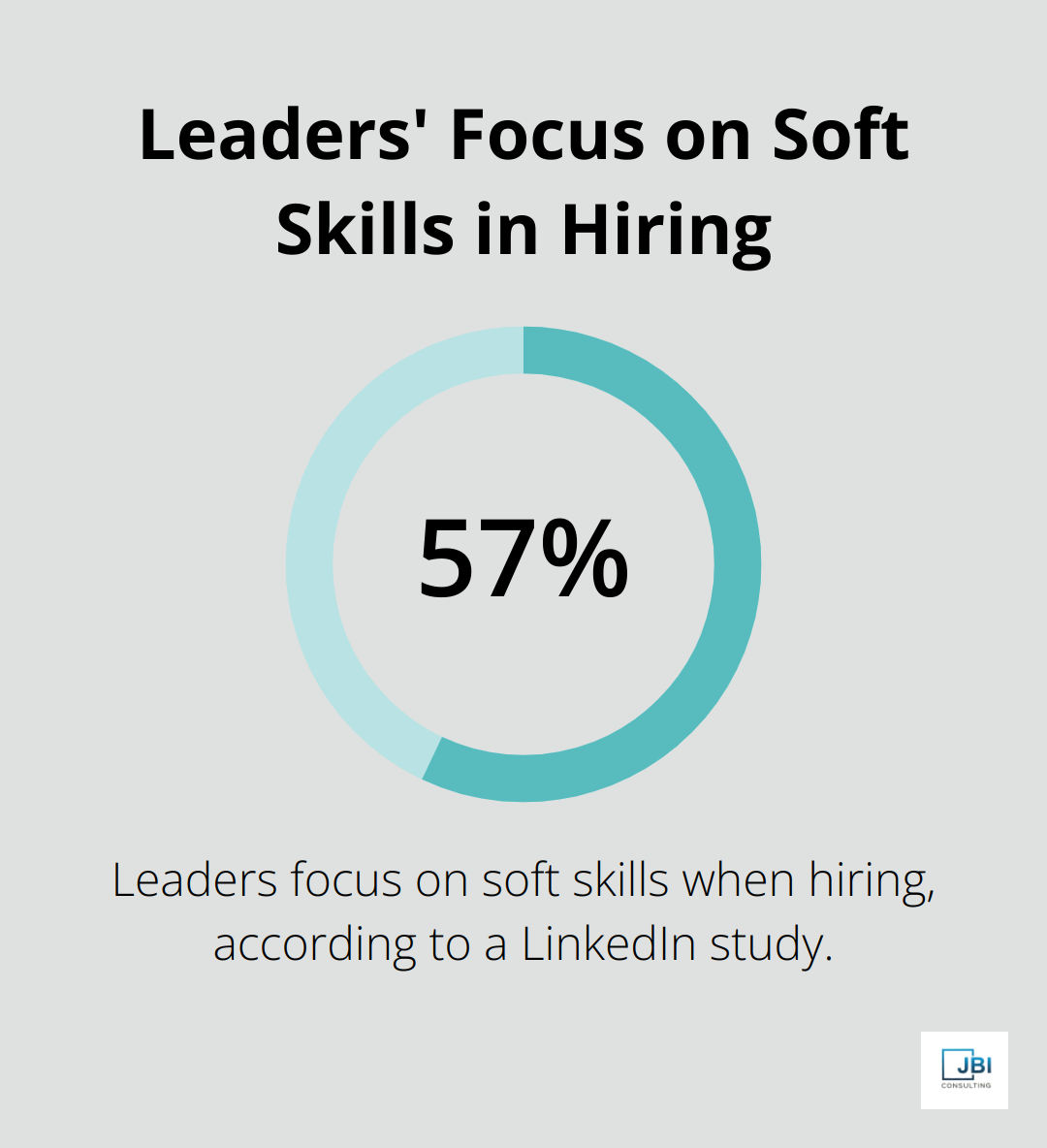
A LinkedIn study found that soft skills account for 57% of leaders’ focus when hiring. For client engagement roles, prioritize active listening, empathy, and adaptability.
Invest in Continuous Learning
The business landscape evolves constantly, and your client engagement team must keep pace. Investing in continuous learning improves team performance and client satisfaction.
Implement a mentorship program to facilitate knowledge transfer and skill development. Pair newer team members with experienced professionals. This approach not only enhances individual performance but also strengthens team cohesion.
Create a learning budget for each team member. Allow them to attend industry conferences, take relevant courses, or obtain certifications that enhance their client engagement skills.
The Association for Talent Development reports that companies offering comprehensive training programs have 218% higher income per employee than those with less comprehensive training.
Foster a Client-Centric Culture
Creating a client-centric culture requires embedding this philosophy into every aspect of your operations.
Align your team’s goals with client outcomes. Instead of focusing solely on internal metrics, tie performance evaluations to client satisfaction and success measures.
Implement a system for tracking and addressing client concerns in real-time. Use AI-powered features like text analytics, sentiment analysis, and workflow automation for immediate feedback and response tracking.
Try to shift from a reactive to a proactive mindset. Anticipate client needs before they arise and consistently deliver value beyond what’s expected.
A Deloitte study found that customer-centric companies are 60% more profitable compared to companies that are not focused on the customer.
Leverage Technology for Enhanced Engagement
In today’s digital age, technology plays a pivotal role in client engagement. Implement a robust Customer Relationship Management (CRM) system to track client interactions and preferences effectively.
Utilize data analytics tools to gain valuable insights into client behavior and engagement patterns. These insights will help your team make data-driven decisions and personalize their approach to each client.
Consider implementing AI-powered chatbots for instant client support (this can significantly improve response times and client satisfaction).
Measure and Optimize Performance
To ensure your client engagement team continues to excel, establish clear performance metrics. Track key performance indicators (KPIs) such as Net Promoter Score (NPS), Customer Lifetime Value (CLV), and retention rates.
Regularly review these metrics with your team and use the insights to refine your strategies. Encourage open discussions about challenges and successes to foster a culture of continuous improvement.
As we move forward, we’ll explore the tools and technologies that can further enhance your client engagement efforts. From advanced CRM systems to cutting-edge communication platforms, these resources will empower your team to deliver exceptional client experiences.
Tech Tools for Client Engagement Success
CRM: The Foundation of Client Relationships
A robust Customer Relationship Management (CRM) system forms the cornerstone of high-performing client engagement teams. HubSpot CRM, Freshsales, Pipedrive, and Zoho CRM are popular choices, each offering unique AI-powered features. For instance, Freshsales provides AI-powered chatbot tools, while Pipedrive offers AI sales suggestions.
When selecting a CRM, focus on user-friendliness and integration capabilities. The ideal CRM aligns with existing workflows and grows with your business.
Communication Platforms: Connecting Teams and Clients
Effective communication fuels client engagement. Tools like Slack, Microsoft Teams, and Zoom have become essential, particularly in the era of remote work. These platforms enable real-time collaboration, file sharing, and video conferencing, ensuring smooth interaction with clients.
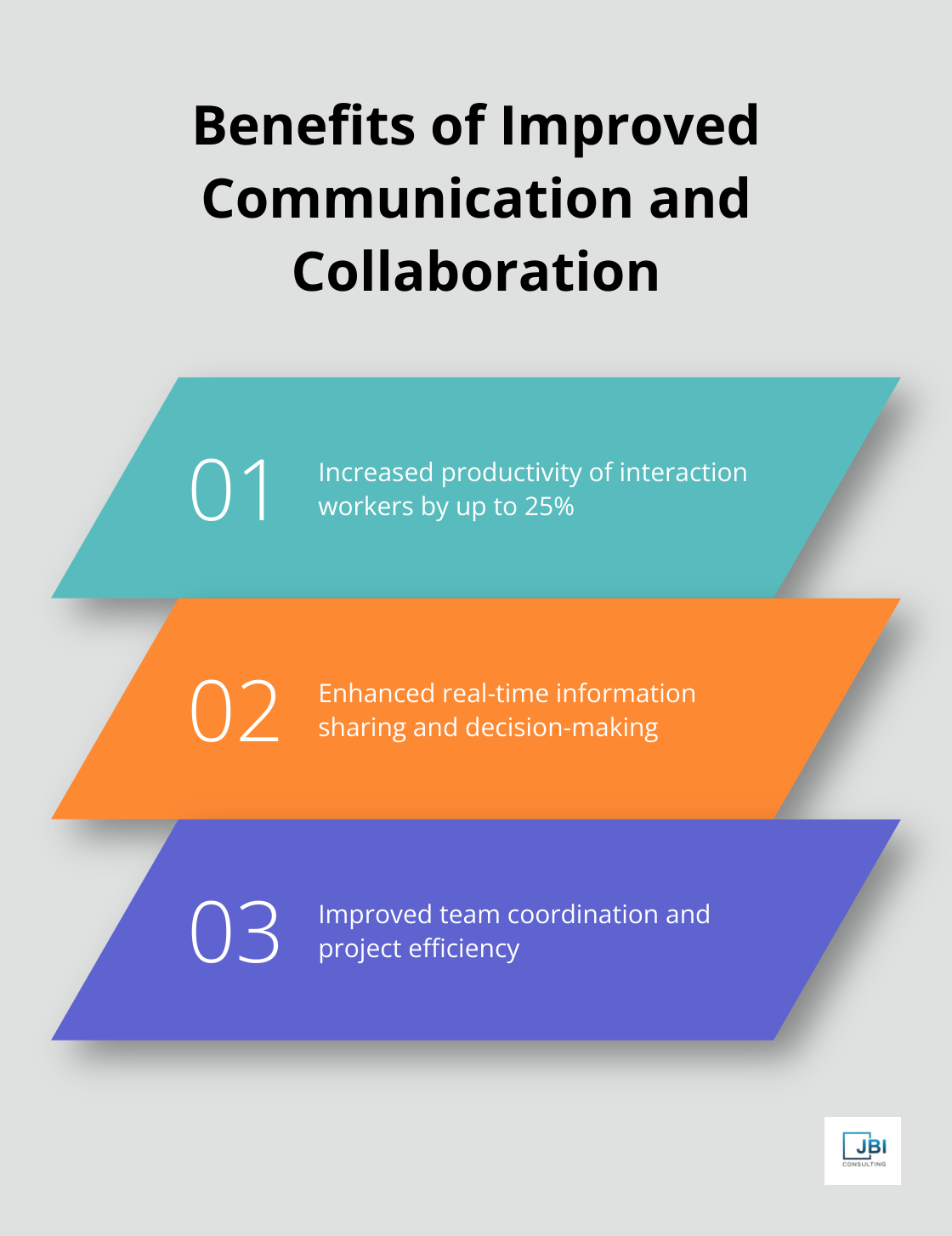
The implementation of a unified communications platform that integrates with your CRM creates a centralized hub for all client interactions. This approach minimizes the risk of miscommunication. McKinsey’s research indicates that improved communication and collaboration through social technologies can increase the productivity of interaction workers by up to 25 percent.
Data Analytics: Transforming Insights into Strategy
Data analytics tools empower client engagement teams to make informed decisions. Platforms such as Tableau, Power BI, and Google Analytics offer valuable insights into client behavior, preferences, and engagement patterns.
Tableau’s interactive dashboards allow teams to visualize complex data sets, facilitating the identification of trends and opportunities. Google Analytics provides in-depth website analytics, helping teams understand how clients interact with digital content.
The true value lies not just in data collection, but in its application. Use these insights to personalize client interactions, refine engagement strategies, and demonstrate value to clients.
AI-Powered Chatbots: Enhancing Client Support
AI-powered chatbots have revolutionized client support. These tools provide instant responses to common queries, freeing up human agents to handle more complex issues. Chatbots can operate 24/7, ensuring clients receive support at any time.
Companies like Intercom and Drift offer sophisticated chatbot solutions that integrate with CRM systems. These bots can qualify leads, schedule meetings, and provide personalized recommendations based on client data.
Project Management Tools: Streamlining Client Work
Efficient project management directly impacts client satisfaction. Tools like Asana, Trello, and Monday.com help teams organize tasks, track progress, and collaborate effectively on client projects.
These platforms offer visual representations of workflows, deadline tracking, and integration with other business tools. By providing transparency and clear communication channels, project management tools ensure that client work stays on track and meets expectations.
Final Thoughts
A high-performance client engagement team drives business success through strategic talent acquisition, client-centric culture, and advanced technology. Organizations must recruit individuals with technical skills, emotional intelligence, and passion for problem-solving. Continuous learning programs and proactive client-focused systems set top-performing teams apart from competitors.
Technology enhances client engagement efforts significantly. CRM systems, AI-powered chatbots, and data analytics tools enable teams to deliver personalized and efficient client experiences. These resources contribute to increased customer satisfaction, loyalty, and ultimately, improved bottom-line results.
JBI Consulting specializes in transforming sales approaches and building high-performance client engagement teams. Our program shifts mindsets from nurturing existing leads to proactively hunting new opportunities (enhancing client relationships and boosting deal closure rates). We invite you to explore how our expertise can help your organization create a client engagement team that fosters sustainable growth and long-lasting client relationships.